


Imperial Russian Railways series П (P)
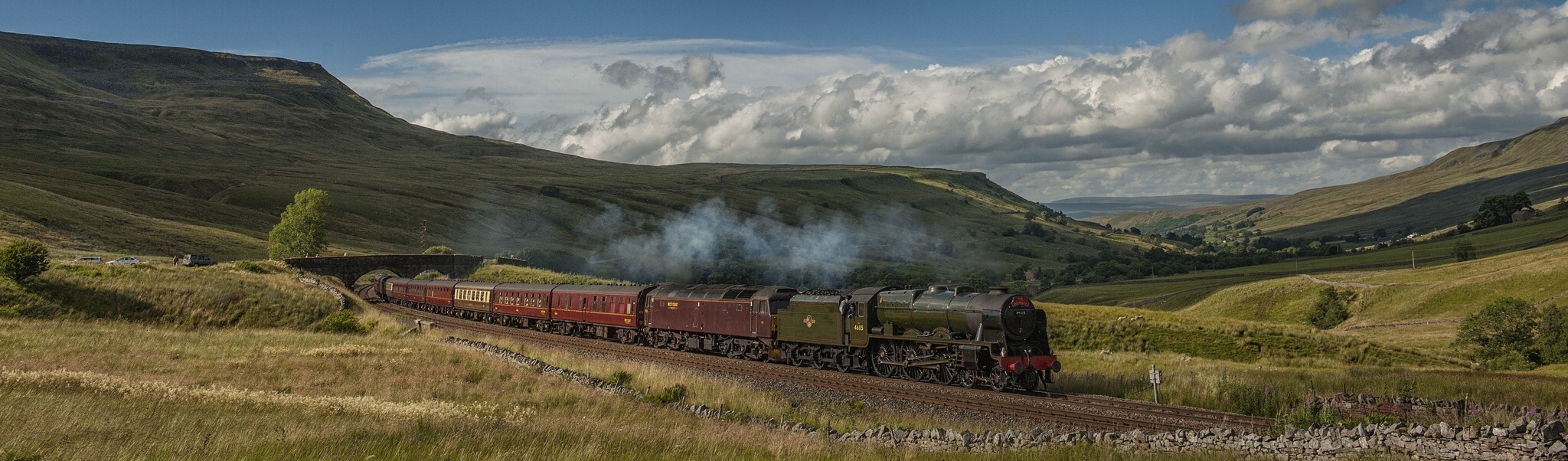
The designation П (P) stood for a number of 4-4-0 four-cylinder tandem compound express locomotives. They had some similarities with the Ie of the MÁV. The first of 169 were built in 1891 by Grafenstaden in Alsace. The largest number came from Putilov with 121 between 1897 and 1900. These were designated ПП from 1912 to distinguish them from the other builders.
The largest operator of this variant was the Saint Petersburg–Warsaw Railway with 67. There they hauled express trains of 250 tonnes and reached a speed of slightly more than 100 km/h. Their top speed with light trains was officially 100 versts per hour, what equaled 107 km/h or 66 mph. Some were also used for services on the Trans-Siberian Railway. They were the last four-coupled express locomotives in Russia and were followed by the 2-6-0.
Technical data
General
- Built
- 1891, 1895-1900, 1902-1905
- Manufacturers
- SACM, Putilov, Kolomna, Odessa
- Wheel arrangement
- 4-4-0 (American)
- Gauge
- 1,524 mm
Dimensions and weights
- Wheelbase
- 7.50 m
- Service mass
- 58.1 t
- Adhesion mass
- 30.4 t
- Total mass
- 93.2 t
- Rigid wheelbase
- 3.00 m
- Axle load
- 15.2 t
Boiler
- Grate area
- 2.62 m²
- Firebox surface
- 13.68 m²
- Tube heating surface
- 132.4 m²
- Evaporative heating surface
- 146.08 m²
- Total heating surface
- 146.1 m²
Power plant
- Driver diameter
- 2,000 mm
- Boiler pressure
- 13.4 bar
- Expansion type
- compound
- Cylinders
- four, HP: 365 x 610 mm and LP: 547 x 610 mm
Power
- Power source
- steam
- Estimated power
- 600 kW (816 PS)
- Top speed
- 107 km/h
- Starting effort
- 64.0 kN
- Starting effort simple
- 76.9 kN
Calculated values
- Factor of adhesion
- 1 : 4.66
- Optimal speed
- 58 km/h
- Power-to-weight ratio
- 10.3 kW/t
- Heating Surface Equivalent
- 214.5 m²
- Cylinder volume/HSE
- 1 : 1,263.54
- Adhesive weight/Total
- 1 : 1.91
- Tractive force/Heating surface
- 1 : 9.16
- Grate area/Heating surface
- 1 : 55.76
- Firebox/Tube surface
- 1 : 9.68