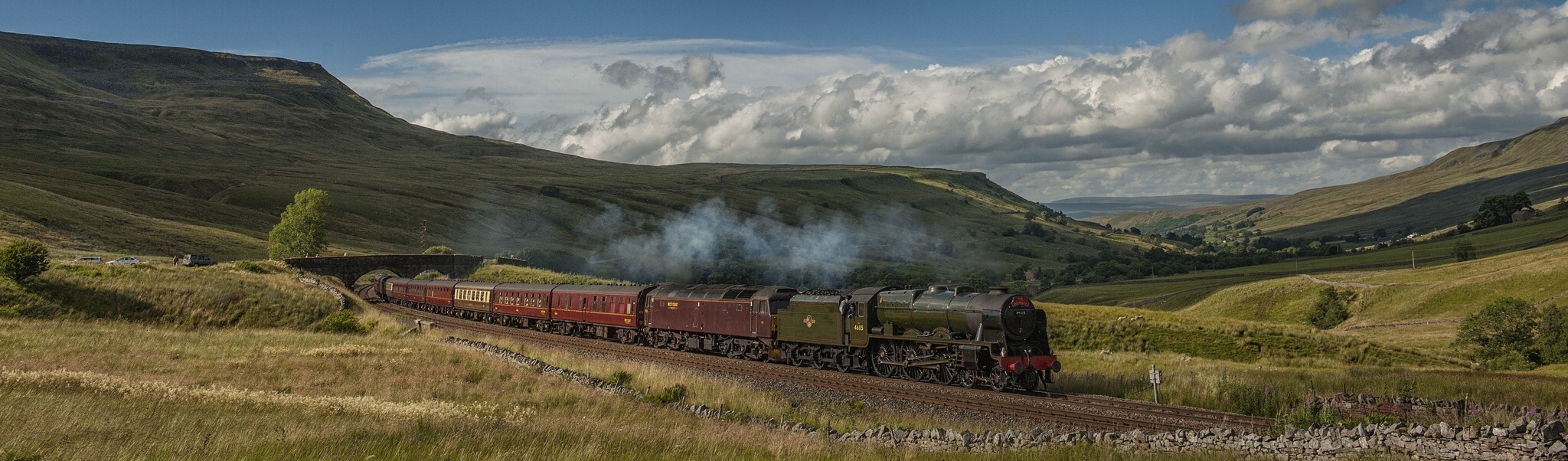



Japanese National Railways class EF70
Japan 1961 81 produced

On the Hokuriku main line, a steep tunnel of the same name made it necessary to develop a powerful AC electric locomotive. Its tasks included the haulage of 1,300 tonne freight trains on a one percent incline or of passenger trains with 100 km/h. The solution was the EF70 that had three two-axle bogies and of which 81 were built between 1961 an 1965. In 1968, seven were modified for use on sleeper trains. By 1985, most locomotives had been removed from active service. The official retirement of the last one was in March 1987.
Technical data
General
| Property | EF70 01-18 | EF70 19-81 |
|---|---|---|
| Built | 1961-1965 | |
| Manufacturers | Hitachi, Mitsubishi | |
| Wheel arrangement | B-B-B | |
| Gauge | 1,067 mm (Cape gauge) | |
Dimensions and weights
| Property | EF70 01-18 | EF70 19-81 |
|---|---|---|
| Length | 16.75 m | |
| Service mass | 96 t | |
| Adhesion mass | 96 t | |
| Rigid wheelbase | 2.80 m | |
| Axle load | 16 t | |
Power
| Property | EF70 01-18 | EF70 19-81 |
|---|---|---|
| Power source | electric - AC | |
| Hourly power | 2,250 kW (3,059 PS) | 2,300 kW (3,127 PS) |
| Top speed | 100 km/h | |
| Starting effort | 294.0 kN | |
Calculated values
| Property | EF70 01-18 | EF70 19-81 |
|---|---|---|
| Factor of adhesion | 1 : 3.20 | |
| Power-to-weight ratio | 23.4 kW/t | 24.0 kW/t |
| Adhesive weight/Total | 1 : 1.00 | |