


London & North Eastern class Y10
Great Britain 1930 2 produced
The LNER class Y10 consisted of two tank locomotives supplied by Sentinel. A special feature was the gearbox, which could be switched between two speeds while stationary. A vertical water tube boiler was also used, which operated at a high pressure of 275 psi (19 bar) and had short response times.
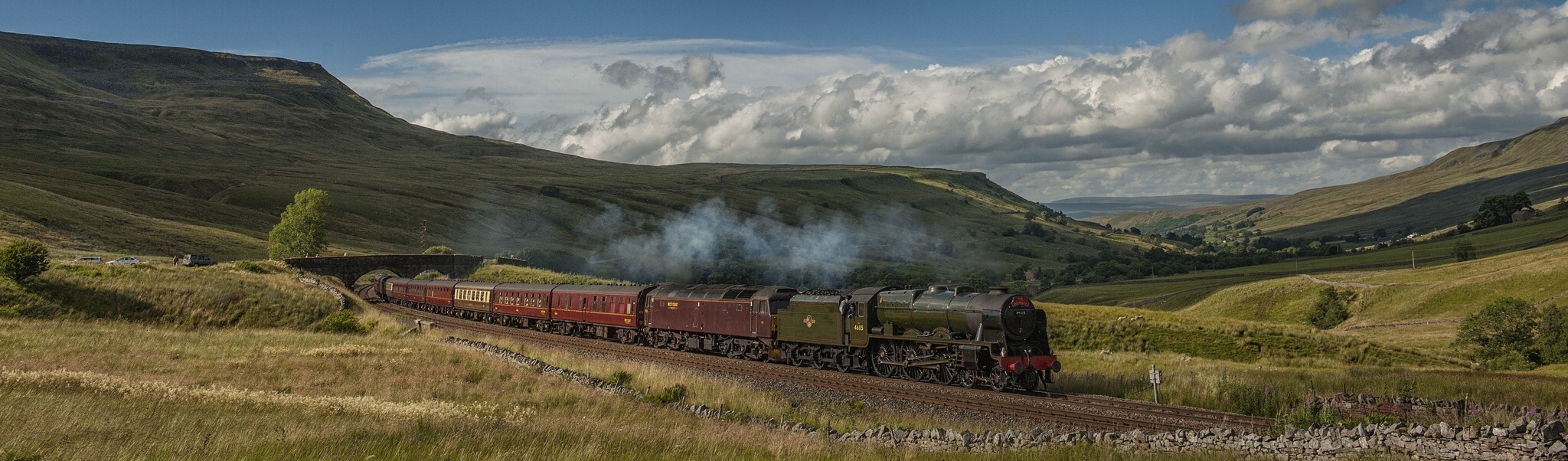
Their intended area of operation was the Wisbech and Upwell Tramway in East Anglia. For this they received two cabs and cow catchers, which were no longer present in the photo. Since they didn't prove themselves there, they came to Yarmouth the year after they were delivered, where they were used in the harbour. They both came to British Railways, but were withdrawn in 1948 and 1952.
Technical data
General
- Built
- 1930
- Manufacturers
- Sentinel Waggon Works
- Wheel arrangement
- 0-4-0T (Four-coupled)
- Gauge
- 1,435 mm (Standard gauge)
Dimensions and weights
- Length
- 7.07 m
- Wheelbase
- 1.83 m
- Service mass
- 24.3 t
- Adhesion mass
- 24.3 t
- Rigid wheelbase
- 1.83 m
- Axle load
- 12.5 t
- Water capacity
- 2,729 l
- Fuel capacity
- 0.6 t (coal)
Boiler
- Grate area
- 0.604 m²
- Firebox surface
- 4.738 m²
- Tube heating surface
- 10.034 m²
- Evaporative heating surface
- 14.772 m²
- Superheater surface
- 3.716 m²
- Total heating surface
- 18.5 m²
Power plant
- Driver diameter
- 965 mm
- Boiler pressure
- 19 bar
- Expansion type
- simple expansion
- Cylinders
- four, 171 x 229 mm
Power
- Power source
- steam
- Estimated power
- 149 kW (203 PS)
- Starting effort
- 50.9 kN
Calculated values
- Factor of adhesion
- 1 : 4.69
- Optimal speed
- 40 km/h
- Power-to-weight ratio
- 6.1 kW/t
- Heating Surface Equivalent
- 45.9 m²
- Cylinder volume/HSE
- 1 : 459.99
- Adhesive weight/Total
- 1 : 1.00
- Tractive force/Heating surface
- 1 : 57.46
- Grate area/Heating surface
- 1 : 30.61
- Firebox/Tube surface
- 1 : 2.12
- Total/Superheater
- 1 : 3.98