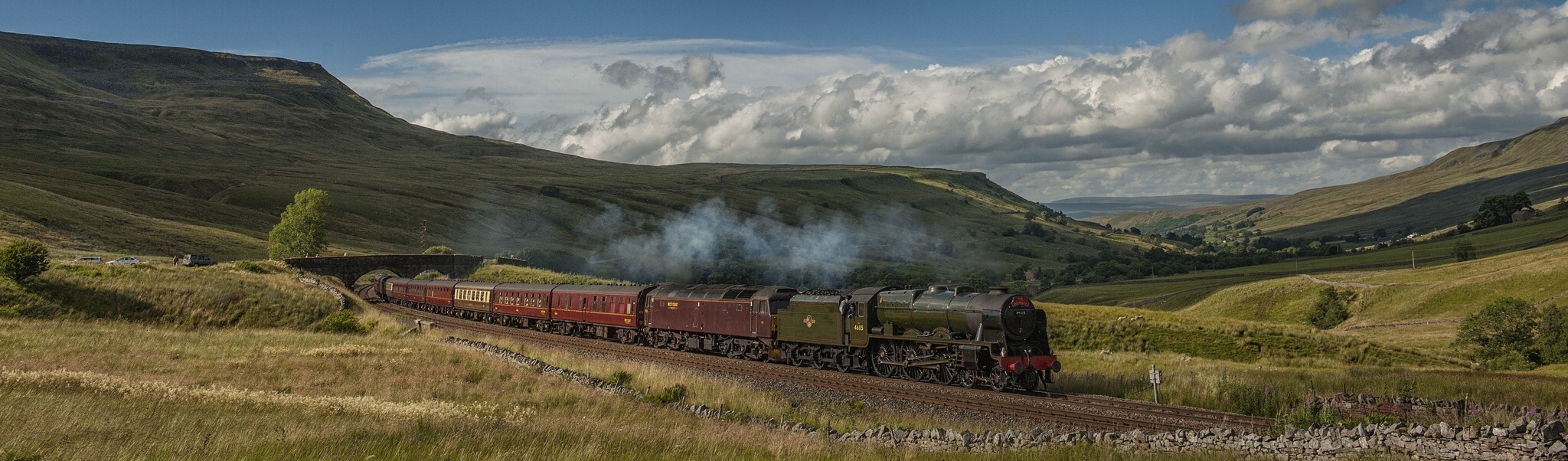




Romanian Railway No. 1286 to 1427
Polish State Railways Ti102
After the 78 2-6-0 locomotives with 1,470 mm wheels, the Romanian State Railway purchased another series from 1910 onwards, but the wheels only measured 1,350 mm. Although this reduced the top speed, it increased the pulling power. The first 27 Henschel locomotives were delivered with superheaters. However, the other 90 that were delivered by Henschel, Jung and Hanomag up to 1914 were operated with saturated steam. They were given the numbers 1286 to 1427.
During the First World War, five came to the Warsaw Military Railway General Directorate. Four of them became the property of the PKP after the war. They were initially called G 5Rm because they could be classified in the same class as the Prussian G 5 and came from Romania. The name was later changed to Ti102. At least some of the locomotives remaining in Romania were subsequently equipped with a superheater. All of them were scrapped until the 1950s.
Technical data
General
- Built
- 1910-1914
- Manufacturers
- Henschel, Jung
- Wheel arrangement
- 2-6-0 (Mogul)
- Gauge
- 1,435 mm (Standard gauge)
Dimensions and weights
- Length
- 17.02 m
- Wheelbase
- 7.08 m
- Total wheelbase
- 13.51 m
- Service mass
- 53.3 t
- Adhesion mass
- 44.4 t
- Total mass
- 88 t
- Rigid wheelbase
- 4.60 m
- Axle load
- 16 t
- Water capacity
- 15,000 l
- Fuel capacity
- 4 t (coal)
Boiler
- Grate area
- 3.07 m²
- Evaporative heating surface
- 160.6 m²
- Superheater surface
- 45 m²
- Total heating surface
- 205.6 m²
Power plant
- Driver diameter
- 1,350 mm
- Boiler pressure
- 12 bar
- Expansion type
- simple expansion
- Cylinders
- two, 520 x 650 mm
Power
- Power source
- steam
- Estimated power
- 850 kW (1,156 PS)
- Starting effort
- 70.0 kN
Calculated values
- Factor of adhesion
- 1 : 6.22
- Optimal speed
- 39 km/h
- Power-to-weight ratio
- 15.9 kW/t
- Adhesive weight/Total
- 1 : 1.20
- Tractive force/Heating surface
- 1 : 7.11
- Grate area/Heating surface
- 1 : 66.97
- Total/Superheater
- 1 : 3.57