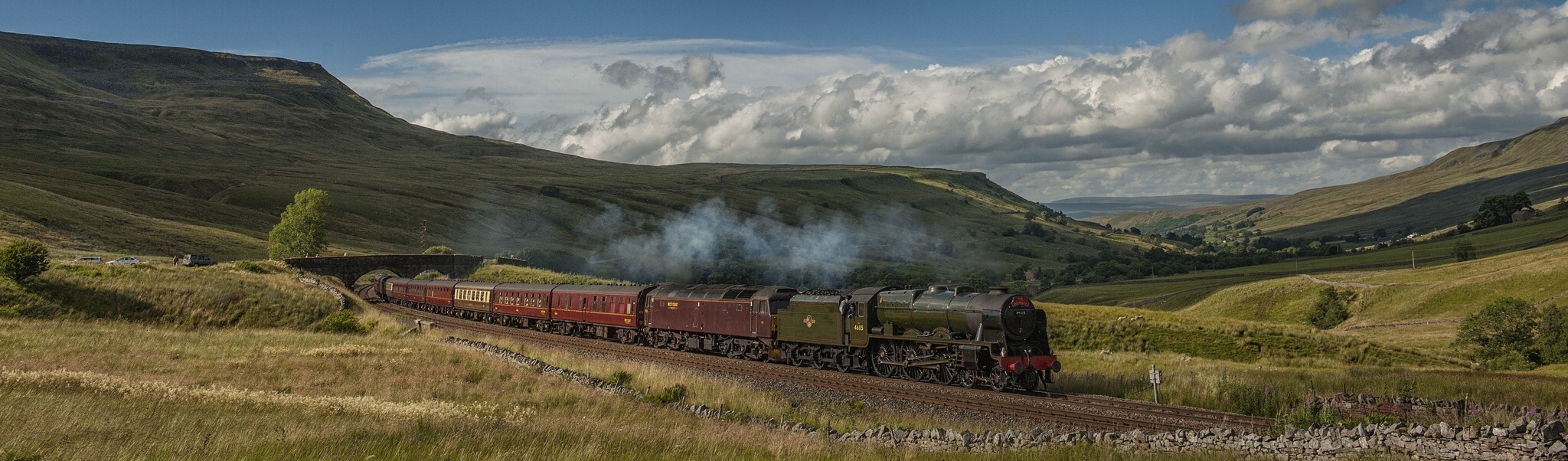



Tender Locomotives 0-6-0 “Six-coupled”
UIC Classification C
The wheel arrangement 0-6-0 stands for a locomotive with three driven axles and no carrying axles. The following designations exist in the different naming systems:
Six-coupled
UIC: C
Whyte: 0-6-0
Switzerland: 3/3
France: 030
Turkey: 33
The “Royal George”, built by Timothy Hackworth for the Stockton and Darlington Railway in 1827 is considered the first 0-6-0 locomotive. Some more of this type followed in the next years, but greater numbers started to appear in the 1850s. While tank locomotives of this wheel arrangement were built in equal numbers around the world, tender locomotives were the most widespread in Great Britain. The DX Goods, introduced on the LNWR in 1858 by John Ramsbottom, was a 0-6-0 that can be considered the first really mass-produced locomotive with a total of 943.
The 0-6-0 had its great advantage in that it could use all its weight as adhesive weight, so it had more pulling power than all other three-axle locomotives. With three axles rigidly mounted in the frames, small curve radii were usually no problem, while locomotives with four driving axles often needed some measures to improve curve negotiation. The downside of this was the absence of leading or trailing axles which could guide the locomotive at speed or in curves. These features made them perfectly suited for goods trains and as shunters, but also for passenger trains in hilly regions where a huge pulling power was needed and high speeds were impossible due to the topography.
In the UK, the 0-6-0 became the ultimate goods locomotive for nearly 100 years. In this country, where tracks were usually laid very carefully, even locomotives without carrying axles could be operated at higher speeds. Because nearly all British 0-6-0 locomotives had their cylinders inside the frames, running characteristics at speed were even better. So they could not only stand their ground as goods locomotives well into the 20th century, but could also be operated with passenger trains at speeds of more than 50 mph or 80 km/h. The Southern Railway even introduced their class Q1 as an austerity locomotive in World War II.
In other countries, the 0-6-0 was soon relegated to shunting service and short haul freight trains since it could not keep pace with the increased speed in freight traffic around the turn to the 20th century. Additionally, eight- and ten-coupled freight locomotives had to be introduced earlier elsewhere than in the UK. Even passenger trains in the mountains now required larger locomotives with heavier boilers. In the United States, where locomotives without leading axles were only used as shunters (here called switchers), the wheel arrangement 0-6-0 almost never saw service outside of yards or industrial tracks where speeds above 20 mph or 32 km/h were uncommon.
Locomotives
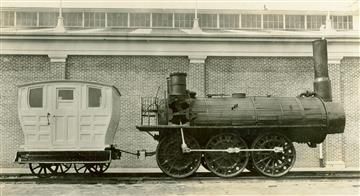
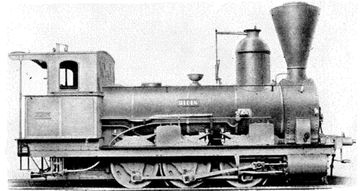
Aussig-Teplitz Railway IIa and IIb
Austria-Hungary
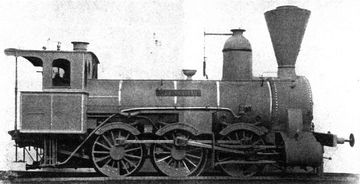
Aussig-Teplitz Railway IIIa and IIIb
Austria-Hungary
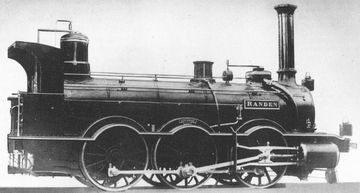
Baden X c
Germany
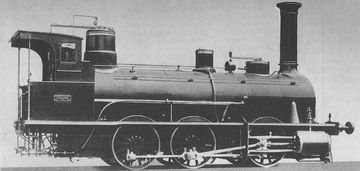
Baden X d
Germany
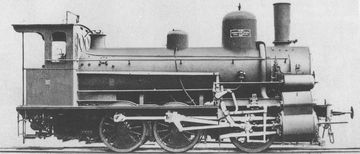
Baden VII d
Germany
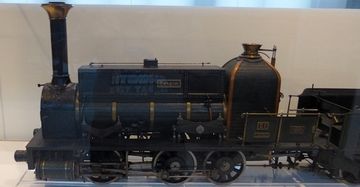
Bavarian C I
Germany
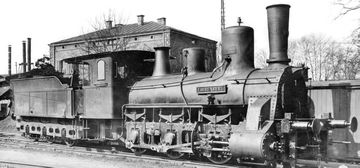
Bavarian C III
Germany
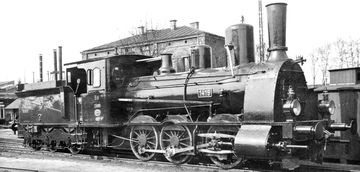
Bavarian C IV
Germany
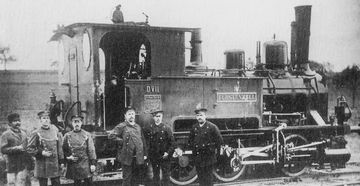
Bavarian D VII
Germany
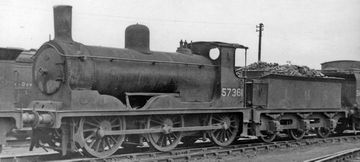
Caledonian classes 294 and 711 “Jumbo”
Great Britain
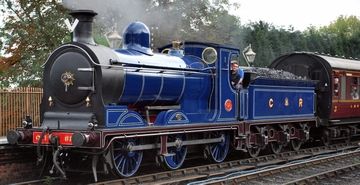
Caledonian classes 812 and 652
Great Britain
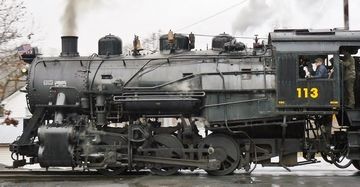
Central RR of New Jersey class B-7
United States
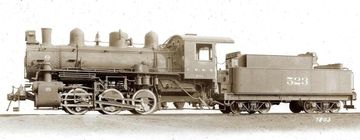
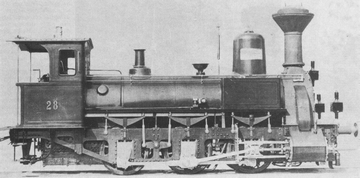

Glasgow & South Western class 361
Great Britain
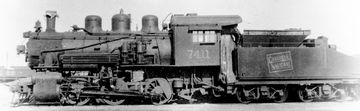
Grand Trunk class F
Canada
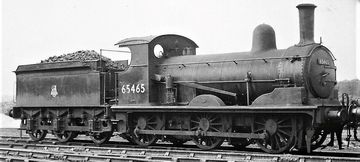
Great Eastern class Y14
Great Britain
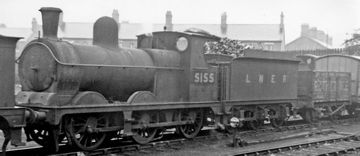
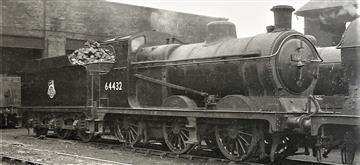
Great Central class 9J
Great Britain
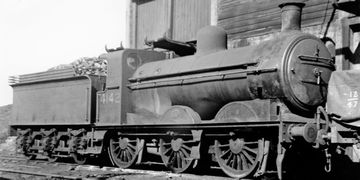
Great Northern (UK) classes J5 and J4
Great Britain

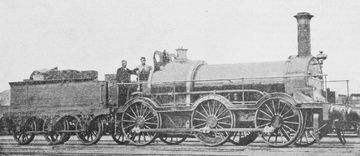
Great Western Railway Caesar class
Great Britain
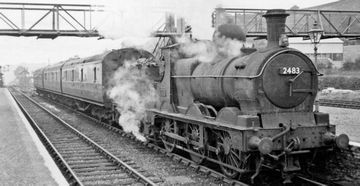
Great Western Railway class 2301 “Dean Goods”
Great Britain
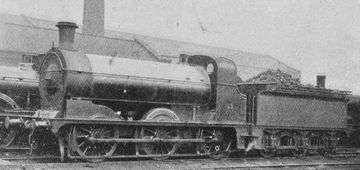
Hull & Barnsley No. 13 to 32
Great Britain
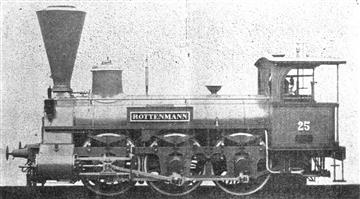
Crown Prince Rudolf Railway II
Austria-Hungary
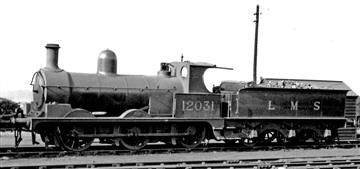
Lancashire & Yorkshire class 25
Great Britain
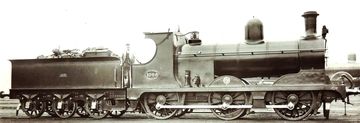
Lancashire & Yorkshire classes 27 and 28
Great Britain
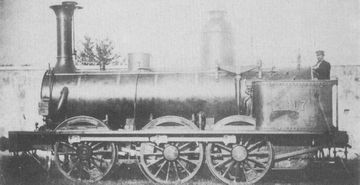
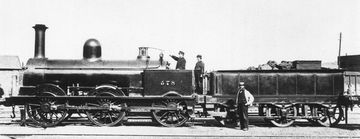
London & North Western DX Goods
Great Britain
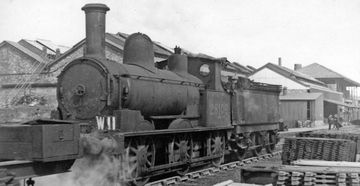
London & North Western 17 inch Coal Engine
Great Britain
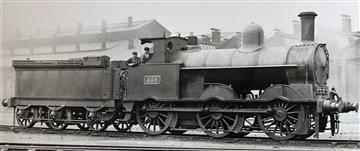

London & South Western class 395
Great Britain
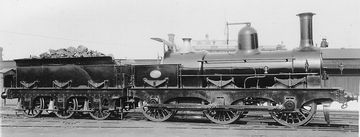
London, Brighton & South Coast Craven Standard Goods
Great Britain
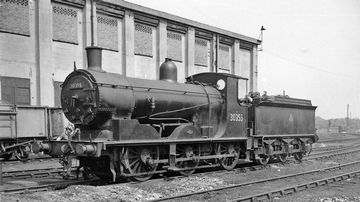
London & South Western class 700 “Black Motor”
Great Britain
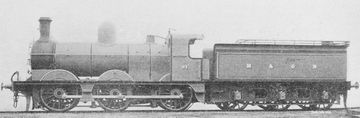
Midland & Great Northern Joint No. 81 to 92
Great Britain

Midland class 480
Great Britain
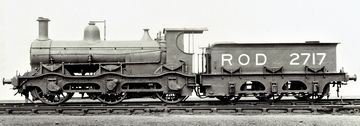
Midland class 700
Great Britain
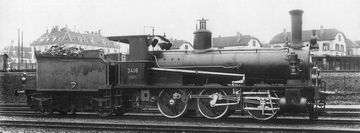
North-East Railway D 3/3
Switzerland

North British class C
Great Britain

North Eastern class 1001
Great Britain
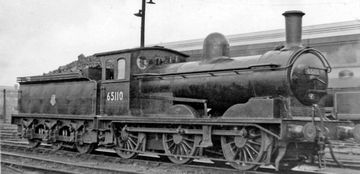
North Eastern classes C and C1
Great Britain
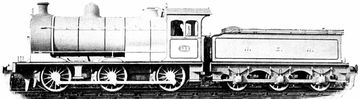
North Eastern classes P, P1, P2 and P3
Great Britain
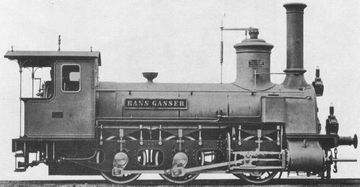
Austrian North Western Railway Vb, Vc, Vd and Ve
Austria-Hungary
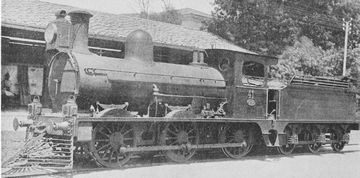
Ottoman Railway Company No. 40 to 47
Ottoman Empire
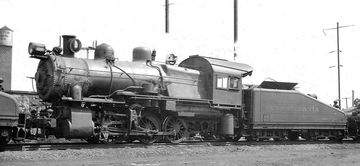
Pennsylvania class B6
United States
![Palatinate Railways G 2[h]II[/h]](/data/photosTN/pfaelzische_G2.II.jpg)
Palatinate Railways G 2II
Germany
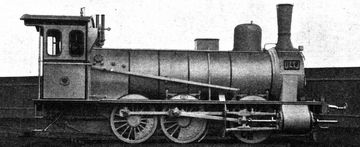
Prussian G 3
Germany
![Prussian G 4[h]1[/h]](/data/photosTN/preussische_G4.1_2.jpg)
Prussian G 41
Germany
![Prussian G 4[h]2[/h]](/data/photosTN/preussische_G4.2.jpg)
Prussian G 42
Germany
![Prussian G 4[h]3[/h]](/data/photosTN/preussische_G4.3.jpg)
Prussian G 43
Germany
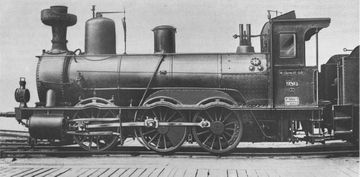
Saxon V
Germany
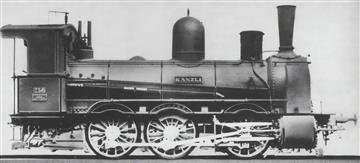
Saxon V V
Germany
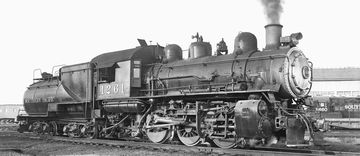
Southern Pacific class S-12
United States
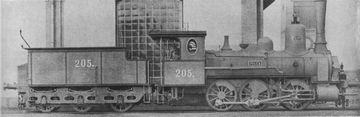
State Railway Company IVs
Austria-Hungary

Austrian Southern Railway class 32c
Austria-Hungary
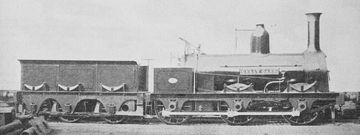
Taff Vale class 75
Great Britain
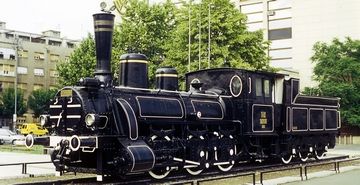
Hungarian State Railways IIIe and Košice–Bohumín Railway IIIe
Austria-Hungary
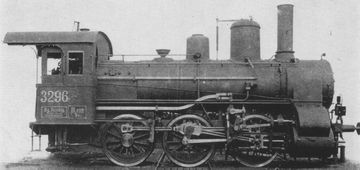
Hungarian State Railways and Košice–Bohumín Railway IIIq
Austria-Hungary
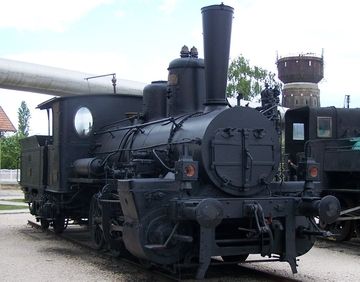
Hungarian State Railways Va
Austria-Hungary
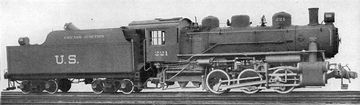
US Railroad Administration 0-6-0
United States
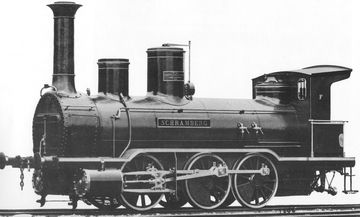
Württemberg F and F2
Germany
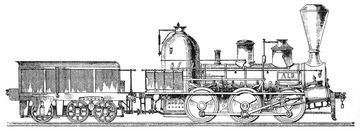
Württemberg IV
Germany
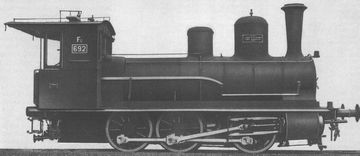
Württemberg Fc
Germany
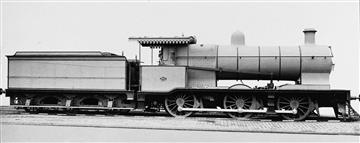
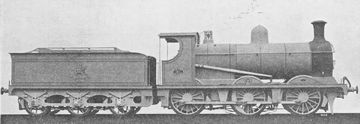
Cambrian Railways class 89
Great Britain

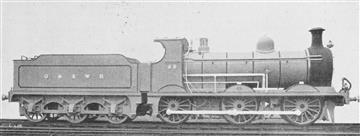
Glasgow & South Western class 17
Great Britain

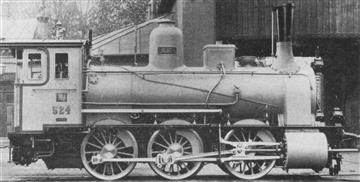
Emperor Ferdinand Northern Railway Ve
Austria-Hungary
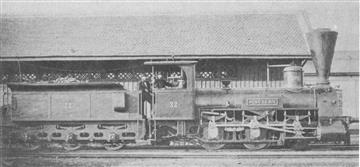
Crown Prince Rudolf Railway III
Austria-Hungary
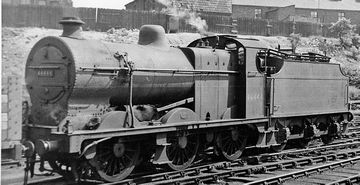
London, Midland & Scottish Fowler class 4F
Great Britain
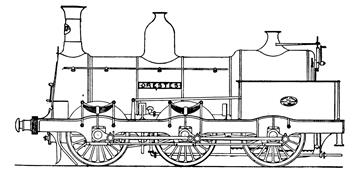
Manchester, Sheffield & Lincolnshire No. 117 and 121
Great Britain
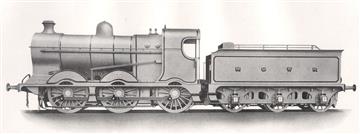

Midland Johnson 0-6-0
Great Britain
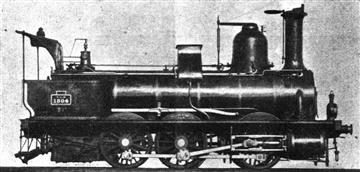
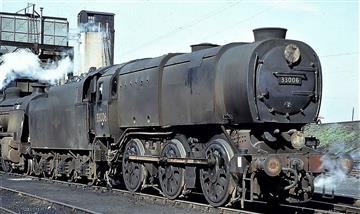
Southern Railway (UK) class Q1
Great Britain
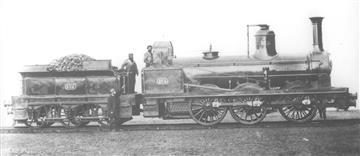
Stockton & Darlington No. 175 “Contractor”
Great Britain
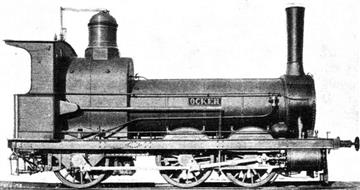
Thuringian Railway No. 97 to 134
Germany
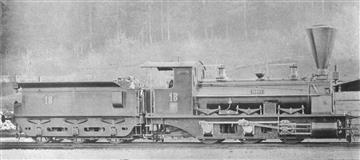
Vorarlberger Bahn No. 17 to 20
Austria-Hungary
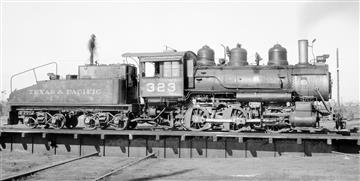
Texas & Pacific class B-6
United States
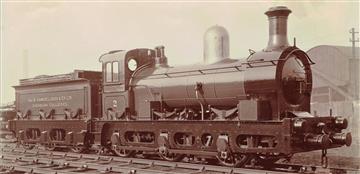
Durham Collieries 0-6-0 freight locomotive
Great Britain
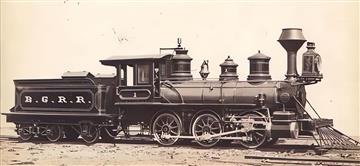
Bell's Gap Railroad No. 1
United States
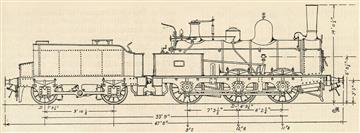
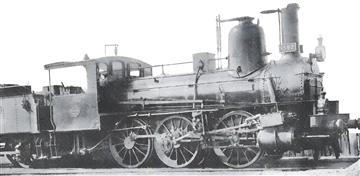
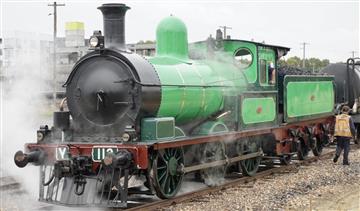
Victorian Railways class Y
Australia
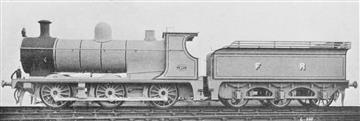
Furness Railway class 1
Great Britain
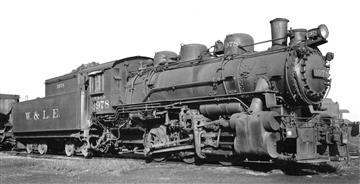
Wheeling & Lake Erie class B-5
United States