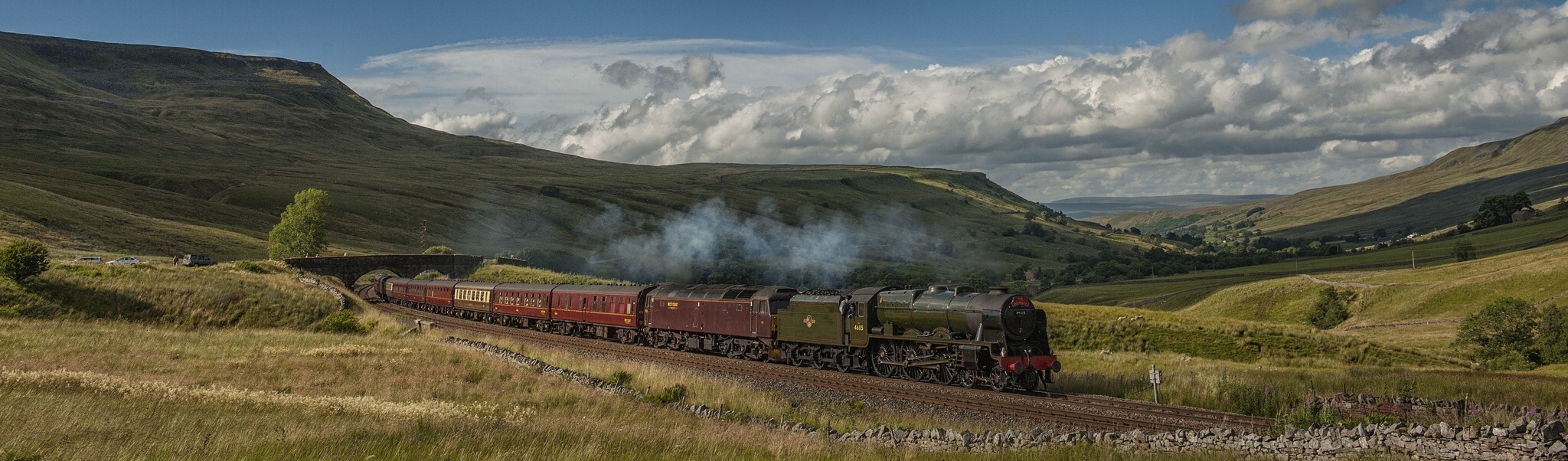



Tender Locomotives 4-6-0 “Ten-wheeler”
UIC Classification 2'C

The wheel arrangement 4-6-0 designates a steam locomotive with a leading, two-axle bogie and three coupled axles. This design was used for freight, passenger and express service. In different countries, this wheel arrangement is referred to as follows:
Ten-Wheeler
UIC: 2'C
Whyte: 4-6-0
Switzerland: 3/5
France: 230
Turkey: 35
The first locomotive of this type was “Chesapeake” built by Norris for the Philadelphia & Reading in 1847. It had been created because the operator wanted a freight locomotive with more adhesive weight and pulling power than a 4-4-0, but with better running characteristics as the existing 0-6-0 and 0-8-0 locomotives. So it was built with the same basic layout as a 4-4-0, but with six driving wheels that had a diameter of only 46 inches (1,168 mm). Hinkley built a similar locomotive in the same year and Rogers and Baldwin only followed in 1852. From the 1860s, the 4-6-0 established itself in the USA as the standard type for fast freight and heavy passenger trains.
From the 1890s, 4-6-0 locomotives with large drivers were increasingly used for long express trains with wooden cars, some which reached speeds of nearly 100 mph. When all-steel cars had been introduced, these locomotives had too small fireboxes to sustain high speeds, so they were replaced by 4-6-2 Pacifics. These used their trailing axle to carry a wide firebox with a huge grate. But the 4-6-0 was still built for fast freights and commuter trains, with some built in the twenties where the locomotive without tender weighed considerably more than 200,000 pounds.
In the UK, the first 4-6-0 was the “Jones Goods” of the Highland Railway built in 1894 that had drivers of 5 ft 3 in (1,600 mm). But most operators in the country preferred the 0-6-0 for freight traffic, so most 4-6-0 locomotives were built for passenger or mixed traffic as a more powerful successor to the 4-4-0. In the first decade of the 20th century, the 4-6-0 became the British standard for express traffic. It also remained in this role until the late twenties since the British companies hesitated to switch to the Pacific. Their explanation for this was that the 4-6-0 could use a greater portion of its total weight for adhesion.
As a result, there were locomotives with large wheels, like the LMS Royal Scot or the LNWR Claughton with a diameter of 6 ft 9 in or 2,057 mm. The GWR built a wide variety of 4-6-0 locomotives until 1950, some of which had four cylinders. The two-cylinder Saint class and the four-cylinder Castle class had drivers of 6 ft 8 1/2 in or 2,045 mm to haul the fastest express trains. For very heavy express trains which were only slightly slower, the King class had drivers of 6 ft 6 in or 1,981 mm. The one with the smallest drivers was the Grange class with only 5 ft 8 in or 1,727 mm for mixed traffic. One of the most iconic British steam locomotives was the LMS Stanier class 5 “Black Five”, that was also a 4-6-0 with drivers of 6 feet or 1,829 mm and used for all kinds of trains. Even the British Railways Standard Programme of the fifties included 4-6-0 locomotives.
In Germany, the 4-6-0 was also introduced in the 1890s to haul heavy passenger and express trains. With nearly 4,000 built, the Prussian P 8 is being recognized as the most numerous class of steam passenger locomotives of all time. Its sisters for express service were multiple variants of the S 10 which had larger drivers and different cylinder configurations. But in Germany, the 4-6-0 did not have a long live since the Pacific soon became the standard for express service.
In Sweden, the type B was an important mixed-traffic locomotive that was likely based on the Prussian P 8. Finland used several types of 4-6-0 locomotives for their light rails since the weight was spread over five axles. Many of these locomotives had been built in the USA. In Russia, the 4-6-0 became a wide-spread type of passenger and express locomotive also from the 1890s. They also remained longer in this role since the Л was the only Pacific introduced in Russia, and this one was built only in small numbers. Another country that intensely used the 4-6-0 was South Africa. There the CGR and the SAR used several variants of the 6th class.
Locomotives
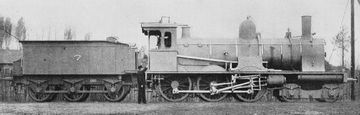
Baden IV e
Germany
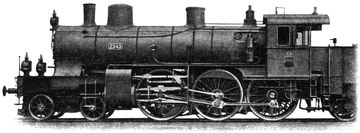
Bavarian C V
Germany
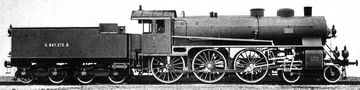
Bavarian S 3/5
Germany
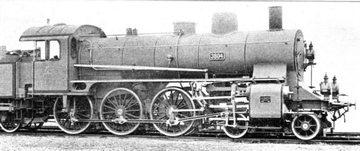
Bavarian P 3/5 N
Germany
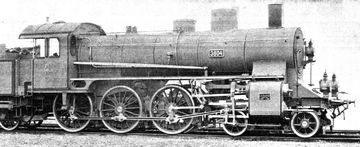
Bavarian P 3/5 H
Germany
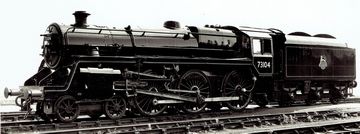
British Rail Standard class 5MT
Great Britain
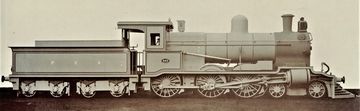
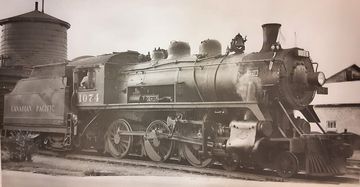
Canadian Pacific class D10
Canada
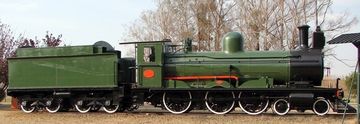
Cape Government Railways class 6 (1893)
South Africa

Chicago & North Western class R-1
United States
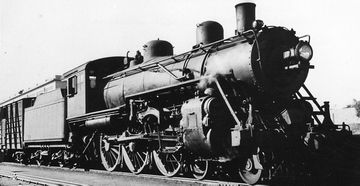
Commonwealth Railways class CA
Australia
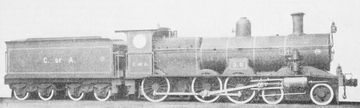
Commonwealth Railways class G
Australia
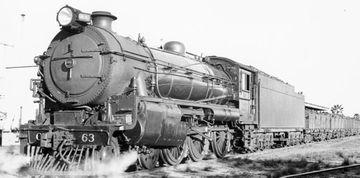
Commonwealth Railways class C
Australia
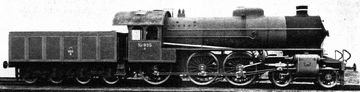
Danish State Railways R (I)
Denmark
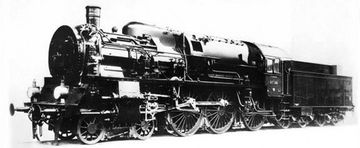
German Reichsbahn H 17 206
Germany
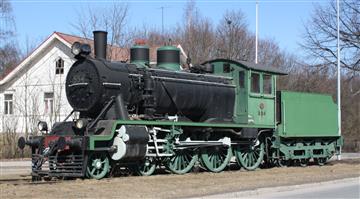
Finnish Railway series H8
Finland
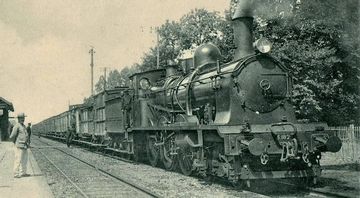
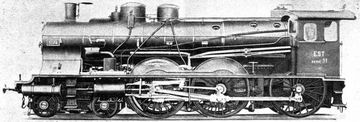
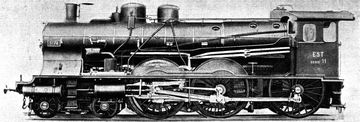
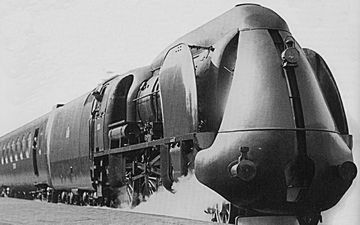
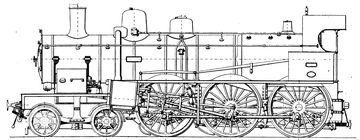
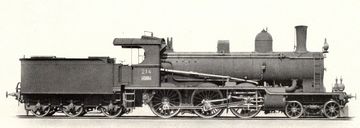
Gotthard Railway A 3/5 No. 201 to 230
Switzerland
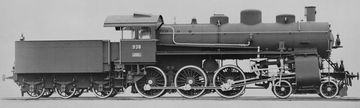
Gotthard Railway A 3/5 No. 931 to 938
Switzerland
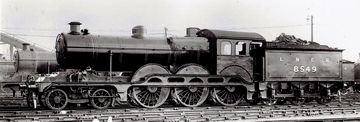
Great Eastern class S69
Great Britain

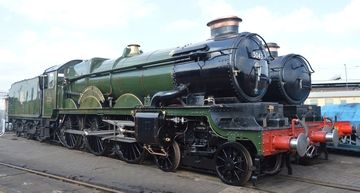
Great Western Railway class 4073 “Castle”
Great Britain
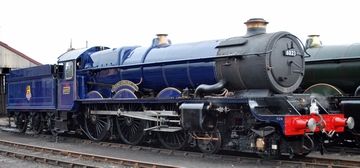
Great Western Railway class 6000 “King”
Great Britain
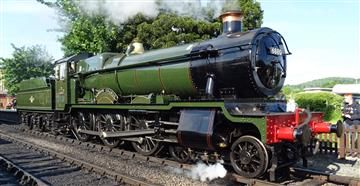
Great Western Railway class 6800 “Grange”
Great Britain

Great Western Railway class 1000 “County”
Great Britain
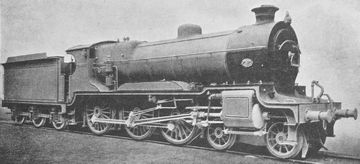
Highland Railway River class
Great Britain
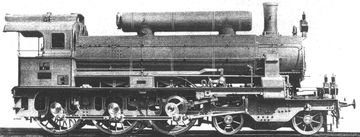
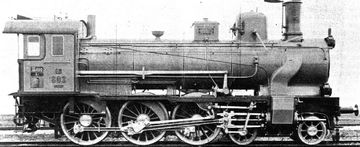
Emperor Ferdinand Northern Railway IIIc
Austria-Hungary
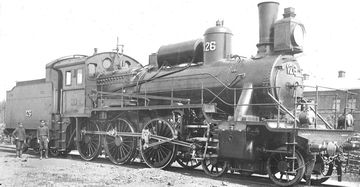
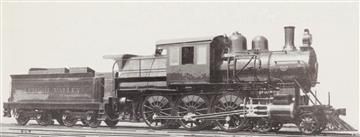
Lehigh Valley No. 708 to 712 and 753 to 772
United States
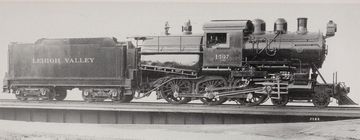
Lehigh Valley class J-55½
United States
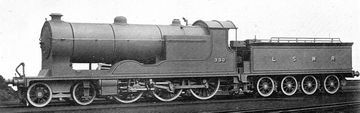
London & South Western class F13
Great Britain
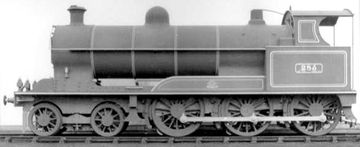
London & North Western 19in Express Goods class
Great Britain
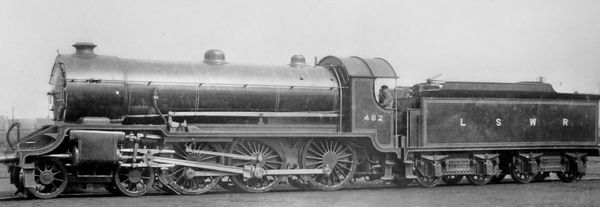
London & South Western class H15
Great Britain
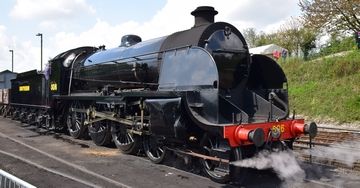
London & South Western class S15
Great Britain
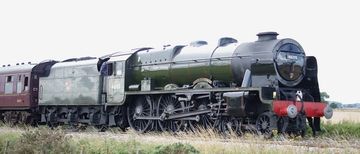
London, Midland & Scottish Royal Scot class
Great Britain
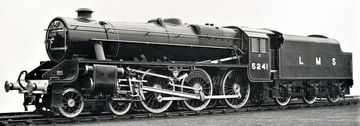
London, Midland & Scottish Stanier class 5 “Black Five”
Great Britain
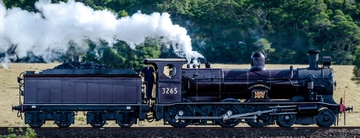
New South Wales class P6
Australia
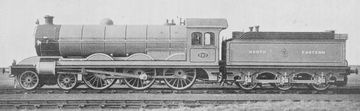
North Eastern class S2
Great Britain
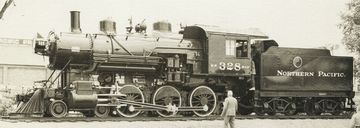
Northern Pacific class S-10
United States
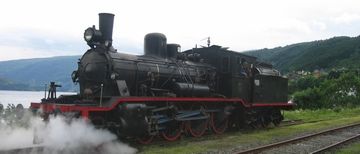
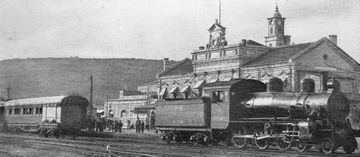
Palestine Railways class H
Palestine
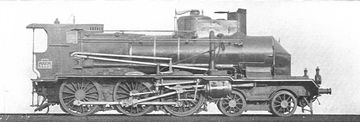
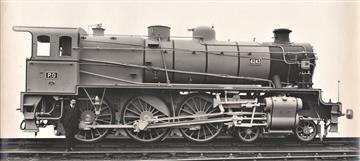
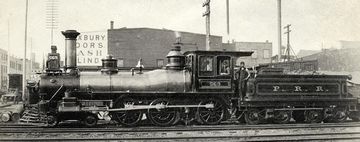
Pennsylvania classes D and Da
United States
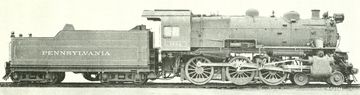
Pennsylvania class G5s
United States
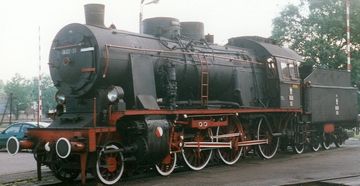
Polish State Railways Ok22
Poland
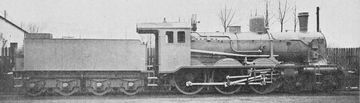
Prussian P 7
Germany
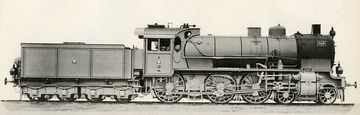
Prussian P 8
Germany
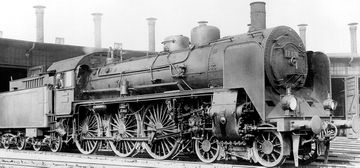
Prussian S 10
Germany
![Prussian S 10[h]1[/h]](/data/photosTN/preussische_S10.1_2.jpg)
Prussian S 101
Germany
![Prussian S 10[h]2[/h]](/data/photosTN/preussische_S10.2.jpg)
Prussian S 102
Germany
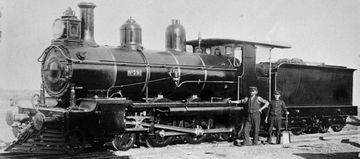
Queensland Railways class PB15
Australia
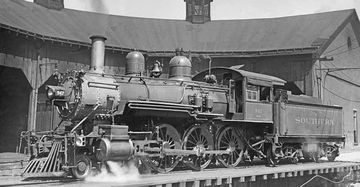
Richmond & Danville class 820
United States
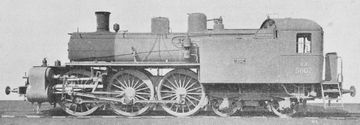
Rete Adriatica class 370
Italy
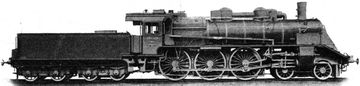
Saxon XII H, HV and H1
Germany
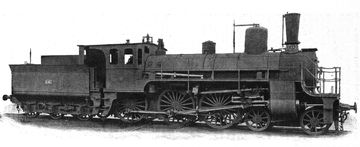
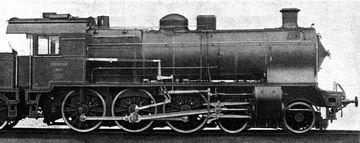
Saxon XII H2
Germany
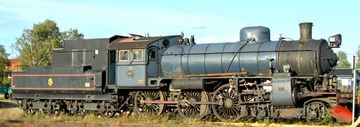
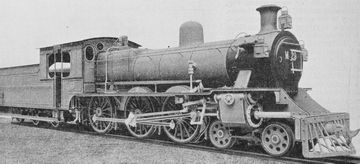
South Indian class M
India
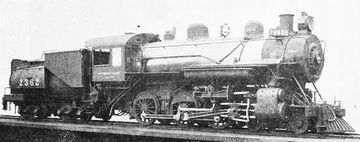
Southern Pacific class T-31
United States
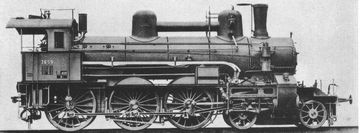
State Railway Company class 36.5
Austria-Hungary
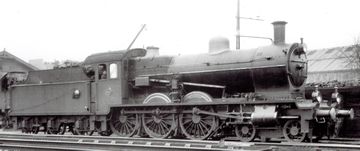
Staatsspoorwegen series 685
Netherlands

Austrian Southern Railway class 109
Austria-Hungary
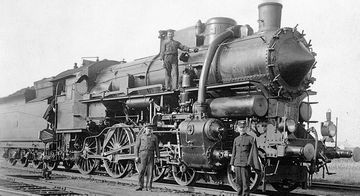
![Victorian Railways class D[h]D[/h]](/data/photosTN/Victorian_DD.jpg)
Victorian Railways class DD
Australia
![Victorian Railways class A[h]2[/h]](/data/photosTN/Victorian_A2.jpg)
Victorian Railways class A2
Australia
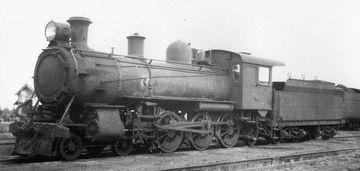
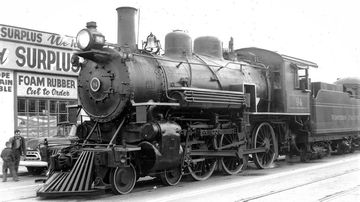
Western Pacific class TP-29
United States
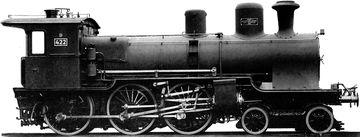
Württemberg D
Germany
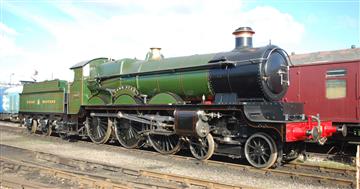
Great Western Railway class 4000 “Star”
Great Britain
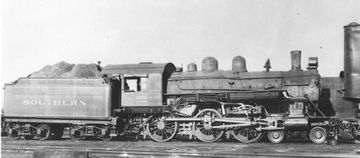
Southern Railway (USA) class F-14
United States
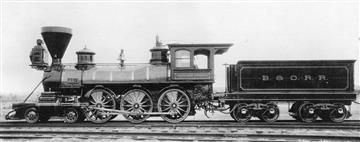
Baltimore & Ohio class B “Thatcher Perkins”
United States
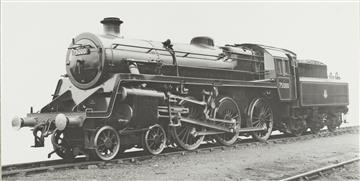
British Rail Standard class 4 4-6-0
Great Britain
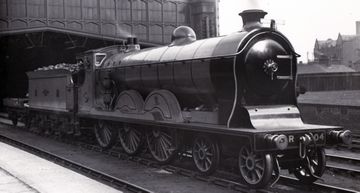
Caledonian classes 49 and 903 “Cardean”
Great Britain
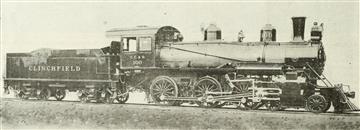
Clinchfield classes G-1 and G-2
United States
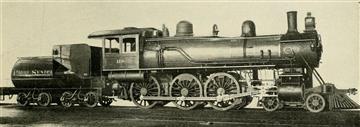
Chicago Short Line No. 1
United States
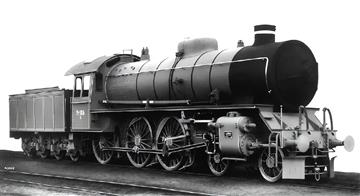
Danish State Railways R (II)
Denmark
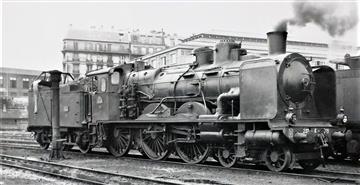
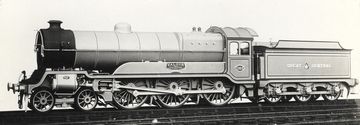
Great Central class 9P “Lord Faringdon”
Great Britain
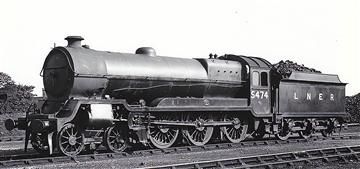
Great Central class 9Q
Great Britain

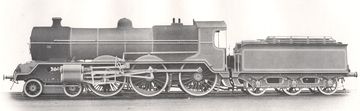
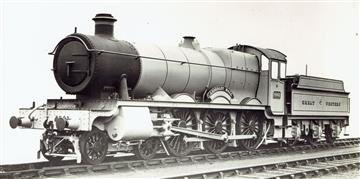
Great Western Railway class 4900 “Hall”
Great Britain
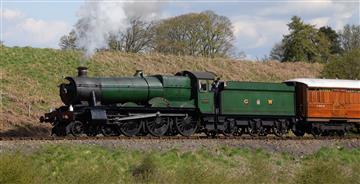
Great Western Railway class 6959 “Modified Hall”
Great Britain
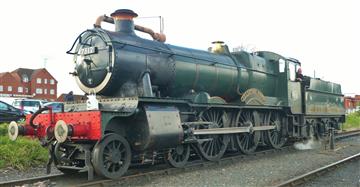
Great Western Railway class 7800 “Manor”
Great Britain
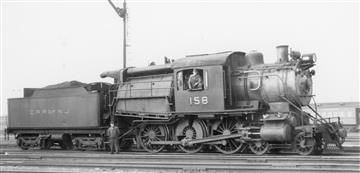
Central RR of New Jersey class L-5
United States
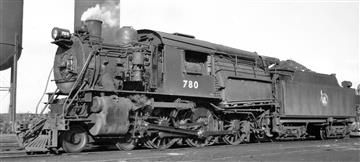
Central RR of New Jersey classes L-6 to L-8
United States
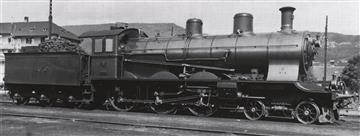
Jura-Simplon A 3/5
Switzerland
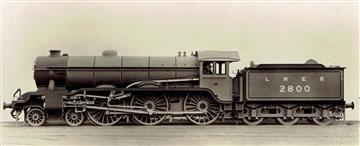
London & North Eastern class B17 “Sandringham”
Great Britain

London & North Eastern Thompson class B1
Great Britain
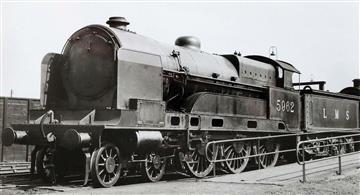
London & North Western Claughton class
Great Britain
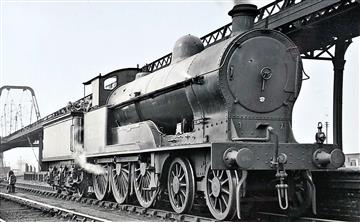
London & North Western Prince of Wales class
Great Britain
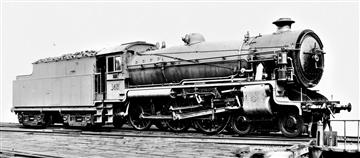
New South Wales class C36
Australia
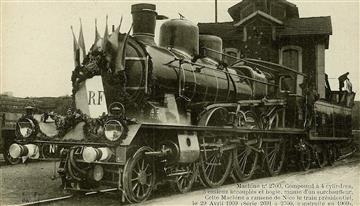
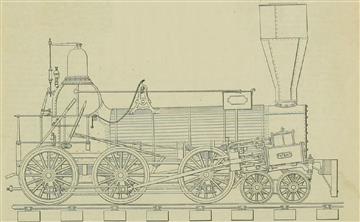
Philadelphia & Reading “Chesapeake”
United States
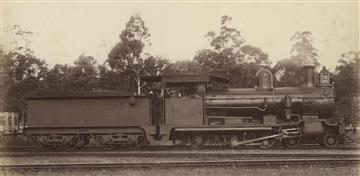
Queensland Railways class B15
Australia
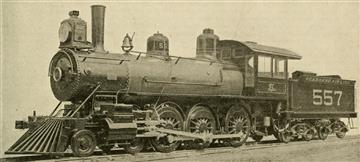
Seaboard Air Line class T60-I4
United States
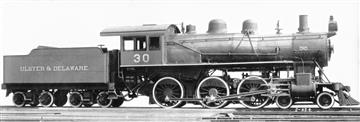
Ulster & Delaware class 30
United States
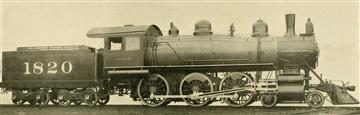
Union Pacific classes 1820 and 1830
United States
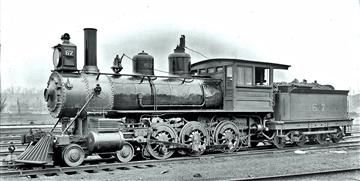
Pittsburgh & Lake Erie class F-100
United States

Baltimore & Ohio Davis Ten-Wheeler
United States
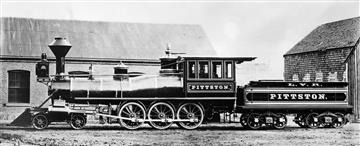
Lehigh Valley Mason 4-6-0
United States
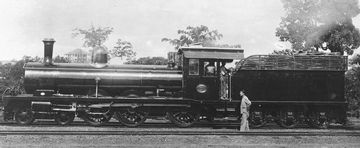
Federated Malay States class G
Malaysia
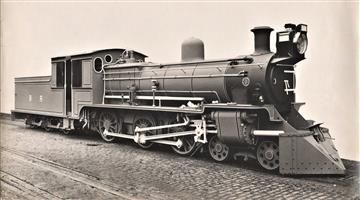
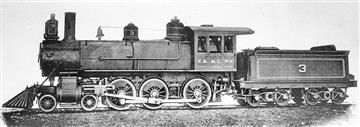
Everett & Monte Cristo Railway No. 1 to 3
United States
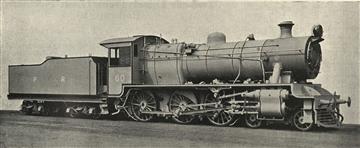
Palestine Railways class P
Palestine
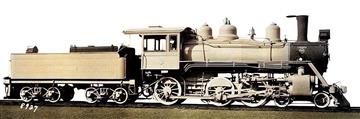
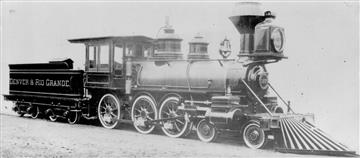
Denver & Rio Grande Western class 46s
United States
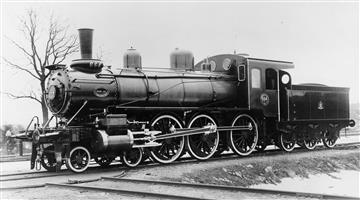
Swedish State Railways T
Sweden
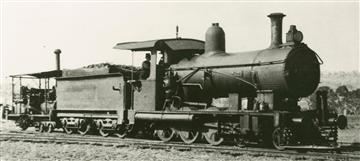
Queensland Railways class B13
Australia
![New Zealand Railways class U[h]A[/h]](/data/photosTN/NZR_Ua.jpg)
New Zealand Railways class UA
New Zealand
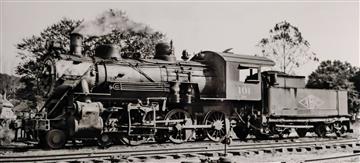
Atlanta, Birmingham & Atlantic No. 1601 to 1624
United States