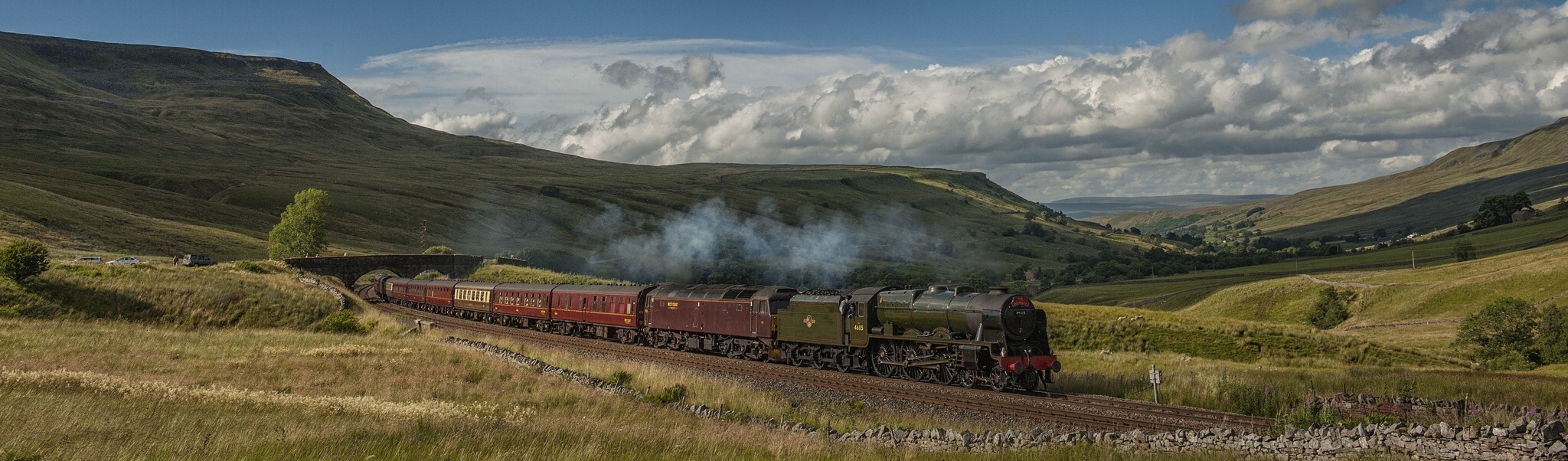



Tender Locomotives 4-6-2 “Pacific”
UIC Classification 2'C1'
The wheel arrangement 4-6-2 designates a steam locomotive that has a two-axle leading bogie, three coupled axles and a trailing axle. In different countries, this wheel arrangement is referred to as follows:
Pacific
UIC: 2'C1'
Whyte: 4-6-2
Switzerland: 3/6
France: 231
Turkey: 36
The main features of the Pacific were good guidance at speed due to the two-axle leading bogie/truck and a large firebox above the trailing axle that provided a high sustained steam production. So depending on country or operator, its evolution can be seen in different ways. Starting from a 4-6-0 “Ten-wheeler”, the 4-6-2 has the added trailing axle that could carry the deep, wide firebox compared to the smaller firebox of the 4-6-0 that had either been fitted between the frames or above the drivers. Compared to a 4-4-2 “Atlantic”, the 4-6-2 had an additional driving axle for additional adhesive weight and a bigger boiler. Finally, when compared to a 2-6-2 “Prairie”, the 4-6-2 had a two-axle leading truck for better running at speeds.
Although some locomotives were rebuilt into the wheel arrangement 4-6-2 in the last years of the 19th century, the first locomotive to really implement the principles of this type was the class Q delivered in 1901 to the New Zealand Railways. It was meant to burn low-quality lignite and needed a wide Wootten firebox that could only be fitted above a trailing axle. It is not really clear if the name “Pacific” came from the fact that these locomotives had to travel over the Pacific, or just from a word play since the Pacific is an ocean that is larger than the Atlantic. Another explanation would be that the Missouri Pacific was the first railroad to use this type of locomotives in the USA and traditionally would have the right to give this wheel arrangement a name.
Within the first two decades of the 20th century, the Pacific became the main type for heavy express traffic virtually all around the world with some exceptions. This was mainly driven by the switch from wooden to all-steel coaches and the sharply increasing passenger numbers in the years prior to World War I. With these locomotives, long and heavy trains could not only be accelerated to high speeds, but the powerful boilers also produced enough steam to sustain speeds of more than 60 mph or 100 km/h.
Britain was one exception where many railways still ordered 4-6-0 locomotives for express service in the forties since they didn't need a wide firebox due to their high-quality coal. There were also railways in several countries which ordered 4-6-2 locomotives with a narrow firebox. In the USA, Pacifics with axle loads of more than 30 tons like the PRR K4s reached an output of more than 3,000 hp. Due to the train weights in this country, other wheel arrangements like the 4-8-2, the 4-6-4 or the 4-8-4 had to be introduced in the twenties and thirties for heavier and trains or for use in the mountains. In total, US builders completed more than 7,000 Pacifics, most of these for domestic customers.
While most US Pacifics only had two cylinders, manufacturers of the European mainland built a considerable amount of four-cylinder compounds. The majority of these were used in France and the south of Germany. Although these required lots of working hours in maintenance, they were efficient on fuel and water. European manufacturers also exported many different types of Pacifics into South America, Africa, Asia and Oceania. This also included the British who took a long time to adopt the Pacific for their own needs. Many of the exported locomotives were Cape or metre gauge and did not meet the raw performance numbers of their standard gauge cousins, but enabled passenger trains on winding lines to achieve decent speeds.
Outside of the US, the Pacific enjoyed a long life and benefitted from improvements like feed water heaters, roller bearings, more efficient blast pipes or modern production processes. In Britain, the LNER was the first company to order a large number of Pacifics for long-distance trains. The most notable of these were both designed by Gresley: the A3, also known as “Flying Scotsman”, and the streamlined A4, setting the official world speed record for steam locomotives with 126 mph or 203 km/h. The Germans also built streamlined versions of their classes 01 and 03, but these later lost their streamlining. Germany was only one of many countries which used their Pacifics into the seventies, and other countries like India had to rely on this type of locomotives until the nineties.


Locomotives
Atlanta & West Point class P-74
United States
Baden IV f
Germany
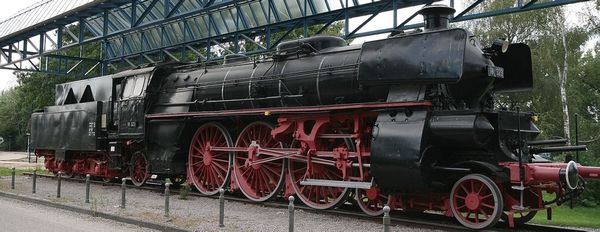
Baden IV h
Germany
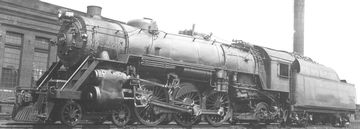
Baltimore & Ohio class P-7
United States
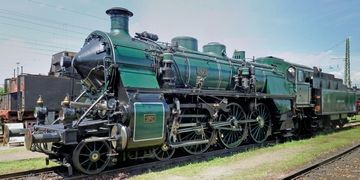
Bavarian S 3/6
Germany
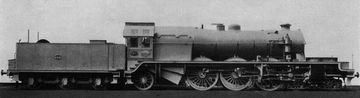
Belgian Railway type 10
Belgium
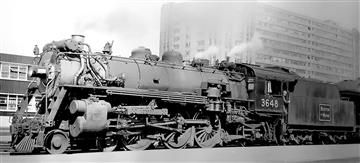
Boston & Maine classes P-1 and P-2
United States
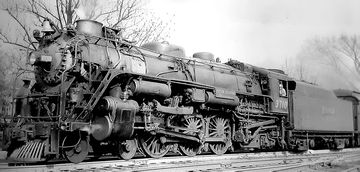
Boston & Maine class P-4
United States
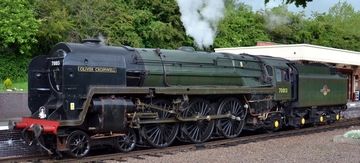
British Rail Standard class 7MT “Britannia”
Great Britain
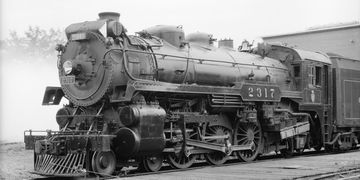
Canadian Pacific class G3
Canada
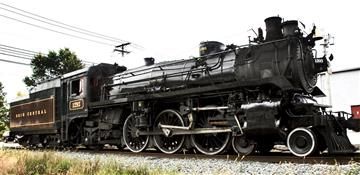
Canadian Pacific class G5
Canada
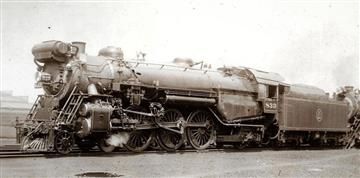

Central South African class 10
Great Britain
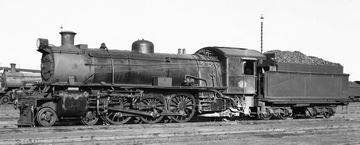
Central South African class 10-2
South Africa
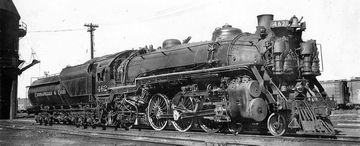
Chesapeake & Ohio class F-16
United States
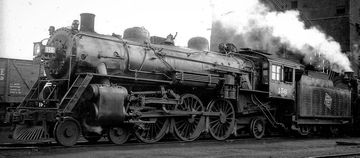
Milwaukee Road class F3
United States
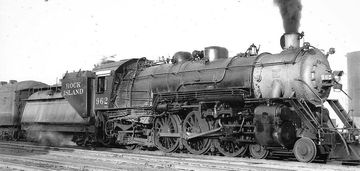
Chicago, Rock Island & Pacific (Rock Island) class P-40
United States
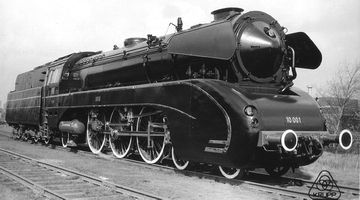
German Federal Railway class 10
Germany
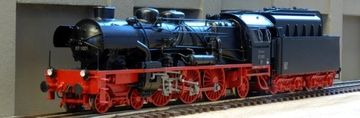
German Reichsbahn 07 1001
Germany
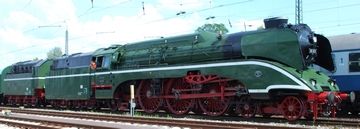
German Reichsbahn 18 201
Germany
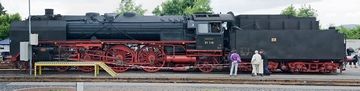
German Reichsbahn class 01
Germany
![German Reichsbahn class 01[h]10[/h]](/data/photosTN/DB_01.10.jpg)
German Reichsbahn class 0110
Germany
![German Reichsbahn class 01[h]5[/h]](/data/photosTN/DR_01_05.jpg)
German Reichsbahn class 015
Germany
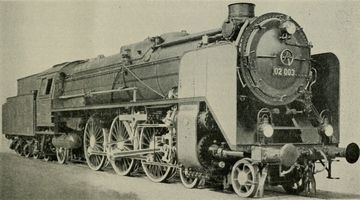
German Reichsbahn class 02
Germany
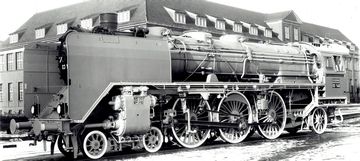
German Reichsbahn class 03
Germany
![German Reichsbahn class 03[h]10[/h]](/data/photosTN/DR_03.10.jpg)
German Reichsbahn class 0310
Germany
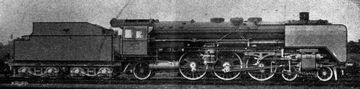
German Reichsbahn class 04
Germany
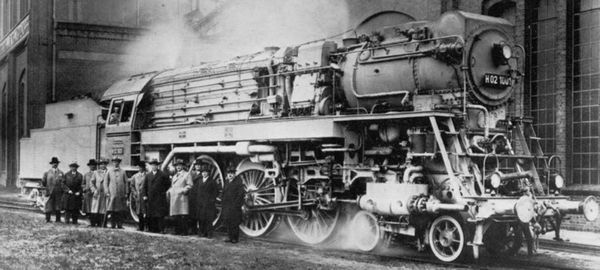
German Reichsbahn H 02 1001
Germany
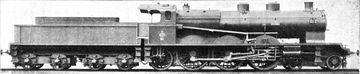
Alsace-Lorraine S 12
Germany
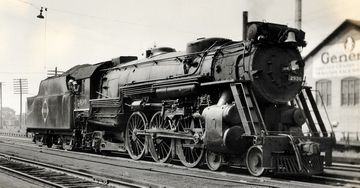
Erie class K-5a and b
United States
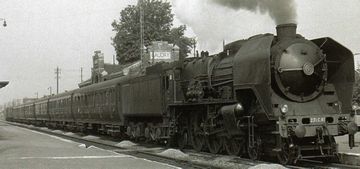
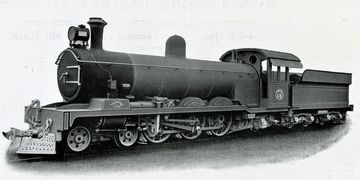
Federated Malay States class H
Malaysia
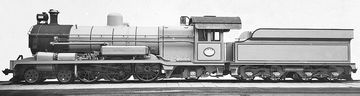
Federated Malay States class L
Malaysia
![Federated Malay States classes K[h]1[/h] and K[h]2[/h]](/data/photosTN/FMSR_K2.jpg)
![Federated Malay States classes O[h]1[/h] to O[h]4[/h]](/data/photosTN/FMSR_O4.jpg)
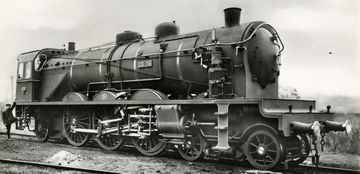
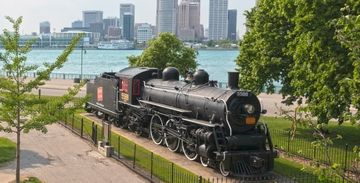
Grand Trunk class K-3
Canada
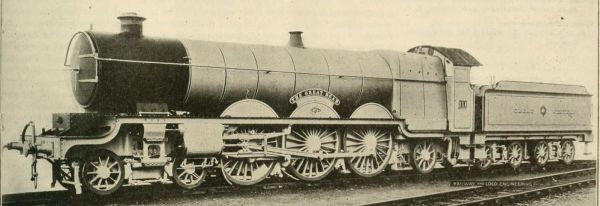
Great Western Railway Nr. 111 “The Great Bear”
Great Britain
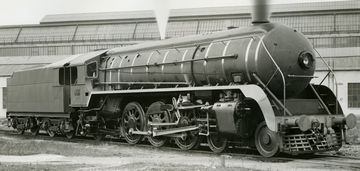
Indian Railways class WP
India
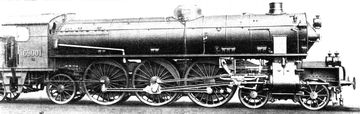
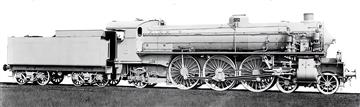

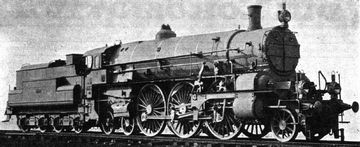
Imperial-Royal State Railways class 210
Austria-Hungary
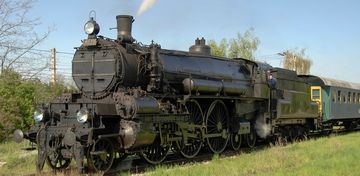
Imperial-Royal State Railways class 310
Austria-Hungary
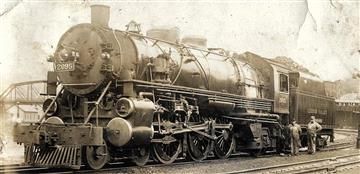
Lehigh Valley class K-6b
United States
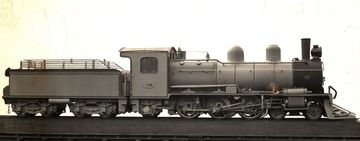
Leopoldina No. 306 to 333
Brazil
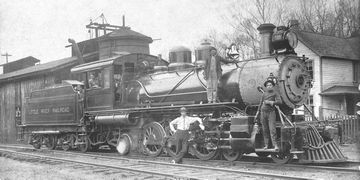
Little River Railroad No. 110
United States
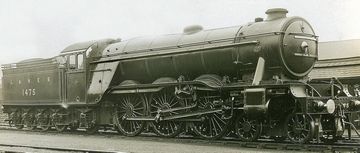
London & North Eastern Gresley classes A1 and A3
Great Britain
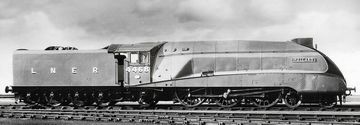
London & North Eastern Gresley class A4
Great Britain
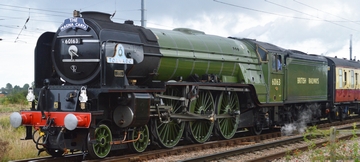
London & North Eastern Peppercorn class A1
Great Britain
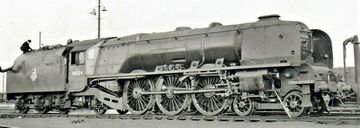
London, Midland & Scottish Coronation class
Great Britain
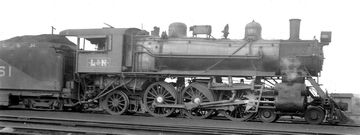
Louisville & Nashville class K-2
United States
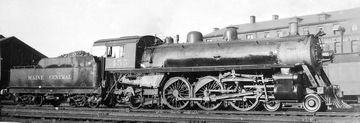
Maine Central classes C, C1 and C2
United States
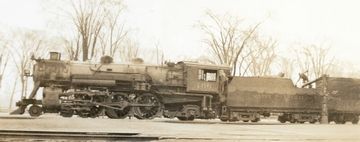
Maine Central classes C-3 and C-3B
United States
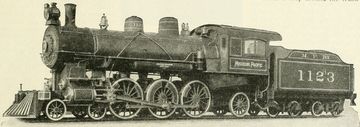
Missouri Pacific class P-69
United States
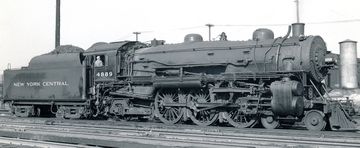
New York Central class K-3
United States
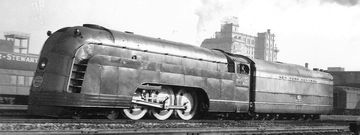
New York Central class K-5
United States
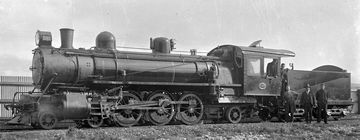
New Zealand Railways class Q (1901)
New Zealand
![New Zealand Railways classes A and A[h]D[/h]](/data/photosTN/NZR_A_1906.jpg)
New Zealand Railways classes A and AD
New Zealand
![New Zealand Railways class A[h]B[/h]](/data/photosTN/NZR_AB.jpg)
New Zealand Railways class AB
New Zealand
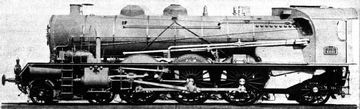
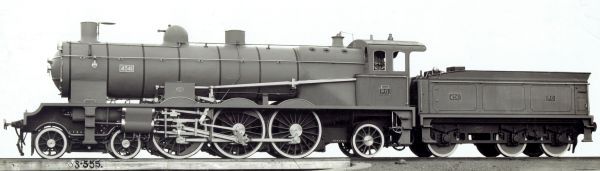
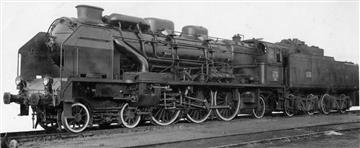
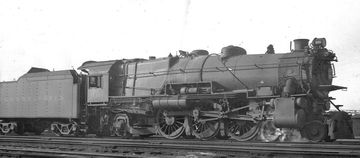
Pennsylvania class K4s
United States
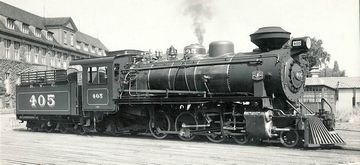
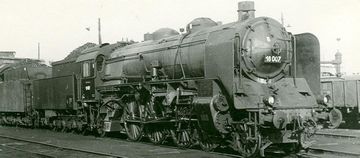
Saxon XVIII H
Germany
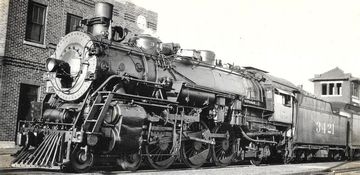
Santa Fe class 3400
United States
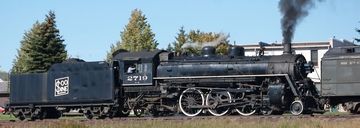
Soo Line classes H-3 and H-21 to H-23
United States
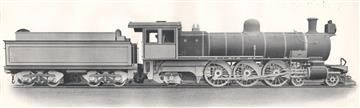
South African class 5 “Enlarged Karoo”
South Africa
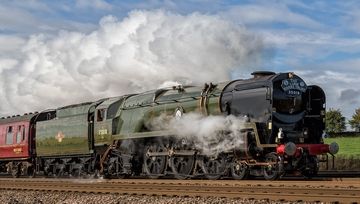
Southern Railway (UK) Merchant Navy class
Great Britain
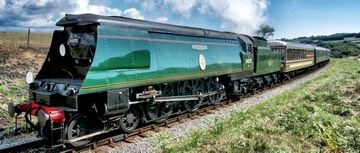
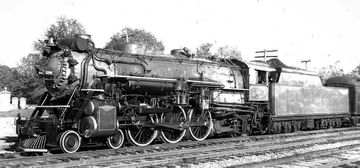
Southern Railway (USA) class Ps-4
United States
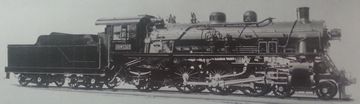
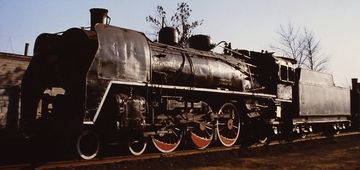
South Manchurian Railway Pashiko class
Manchuria
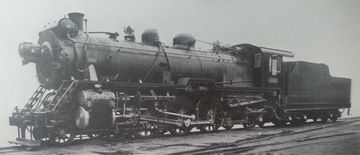
South Manchurian Railway Pashiro class
Manchuria
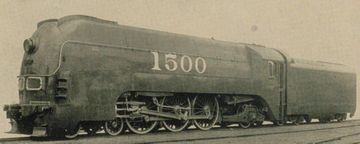
South Manchurian Railway Pashina class
Manchuria
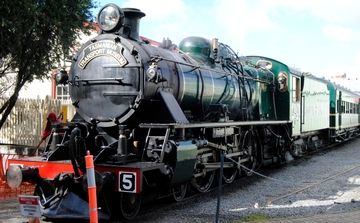
Tasmanian Government classes M and MA
Australia
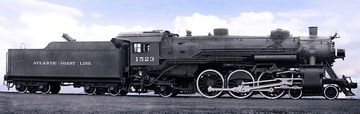
US Railroad Administration Light Pacific
United States
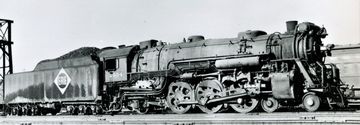
US Railroad Administration Heavy Pacific
United States
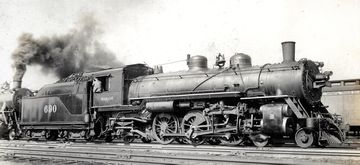
Wabash class J-2
United States
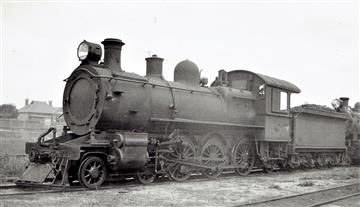
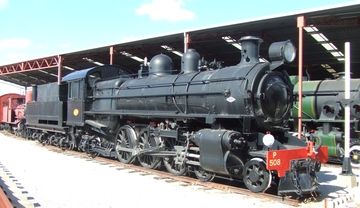
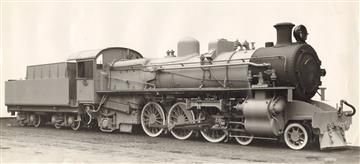
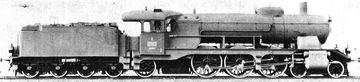
Württemberg C
Germany
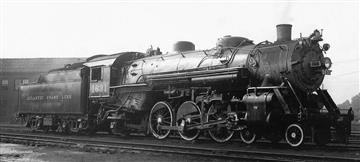
Atlantic Coast Line class P-5-B
United States
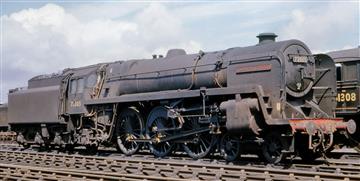
British Rail Standard class 6 “Clan”
Great Britain
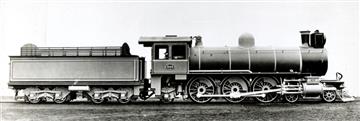
Central South African class 9
South Africa
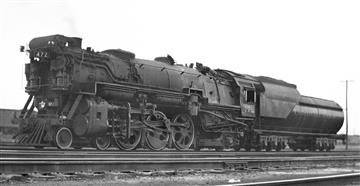
Chesapeake & Ohio class F-17
United States
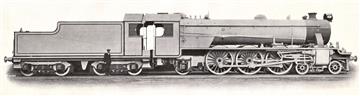
Indian Railways class XB
India
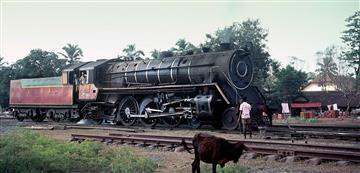
Indian Railways class WL
India
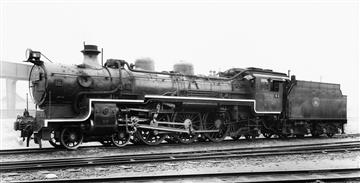

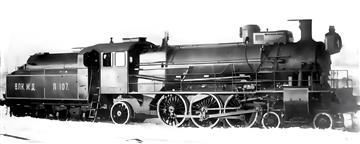
Imperial Russian Railways series Л (L)
Russian Empire
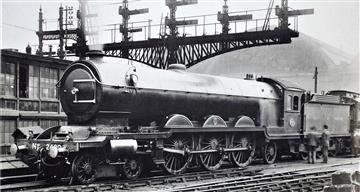
North Eastern and London & North Eastern Raven class A2
Great Britain
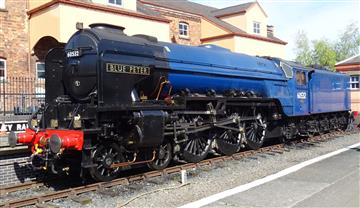
London & North Eastern Peppercorn class A2
Great Britain
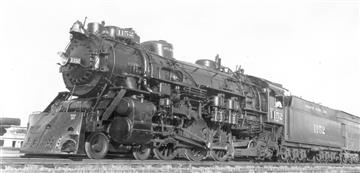
Missouri Pacific class P-73
United States
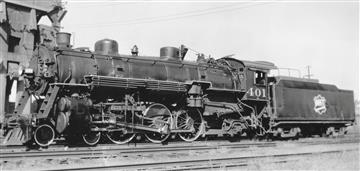
Missouri-Kansas-Texas class H-3
United States
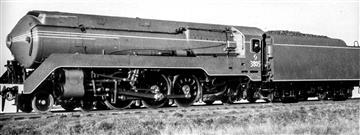
New South Wales class C38
Australia
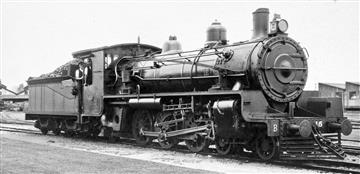
Queensland Railways class BB18¼
Australia
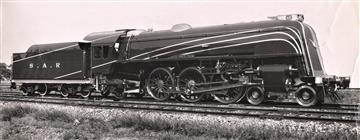
South Australian class 620
Australia
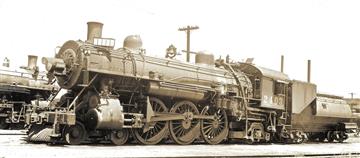
Southern Pacific classes P-1, P-3 and P-4
United States
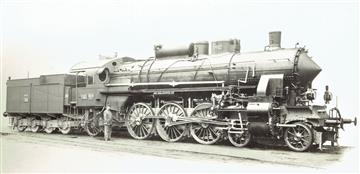
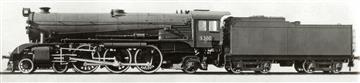
Victorian Railways class S
Australia
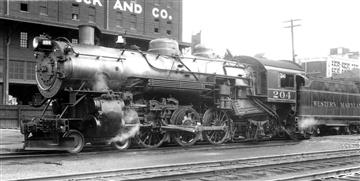
Western Maryland class K-2
United States
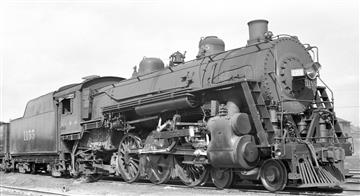
Illinois Central class 1139
United States
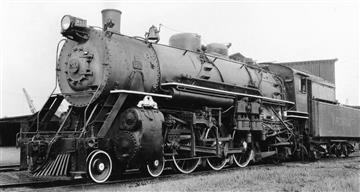
Virginian class PA
United States
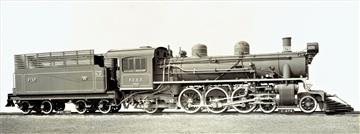
Provincial de Santa Fe class XII
Argentina
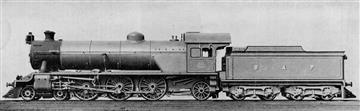
Buenos Aires Pacific No. 2101 to 2112
Argentina
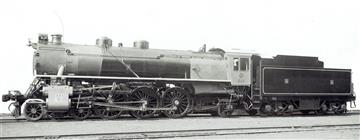

South Australian class 600
Australia
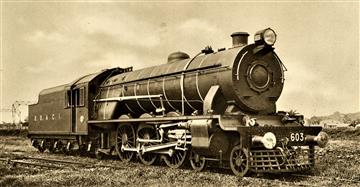
Indian Railways class XC
India
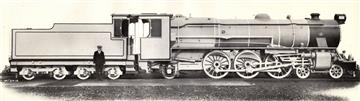
Indian Railways class YC
India