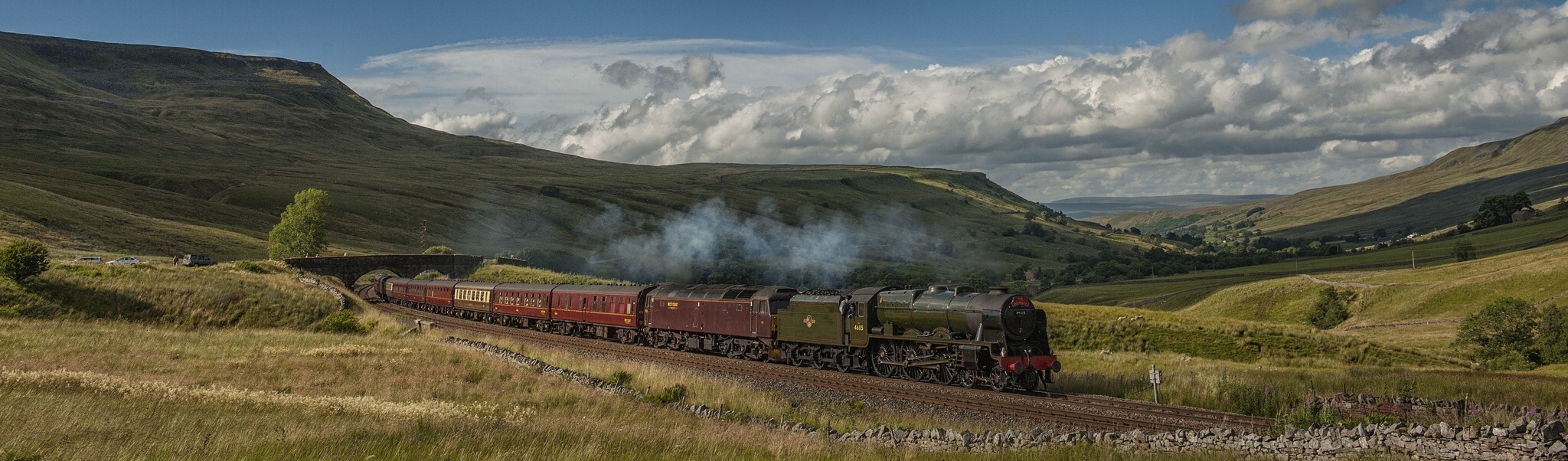



Tender Locomotives 0-8-0 “Eight-Coupled”
UIC Classification D
The wheel arrangement 0-8-0 stands for a locomotive with four driven axles and no carrying axles. The following designations exist in the different naming systems:
Eight-coupled
UIC: D
Whyte: 0-8-0
Switzerland: 4/4
France: 040
Turkey: 44
The 0-8-0 was created by adding a fourth driving axle to the 0-6-0. In the result, the characteristics of both was similar and even their range of tasks was similar, although the 0-8-0 had more tractive effort and could carry a heavier and more powerful boiler. Thus, the biggest advantage of the 0-8-0 was that it could use all of its weight to transmit power to the rails. On the other hand, the lack of carrying axles meant that it was less stable at speed than other locomotives with leading or trailing axles. For tight curves, more attention had to be paid to curve negotiation, for example through flangeless wheels, axles with lateral play, or a short wheelbase.
The earliest 0-8-0 locomotives appeared in the USA in the 1840s. The “Monster” built in 1840 for the Camden & Amboy must have been the first one, although it was later rebuilt into a 4-6-0. In this case the coupling rods only connected the fourth and third, and the second and first axle. Spur gears were used between these two groups to ensure some flexibility. In 1844, Ross Winans introduced his “Mud Diggers” for the Baltimore & Ohio, which had a vertical boiler and a very short wheelbase.
Soon longer 0-8-0 locomotives with a horizontal boiler were built, but they were built in relatively small numbers since they were not suited for fast speeds on American rails. Instead, the 4-4-0 became the standard locomotive for all kinds of trains and later the 4-6-0 and the 2-6-0 joined it. In the 20th century, the 0-8-0 became more wide-spread in the USA as a heavy switcher. The most numerous locomotive of this wheel arrangement became the USRA standard 0-8-0 and its copies with more than 1,300.
In other countries, the 0-8-0 was extensively used for mainline service. The French introduced locomotives of this wheel arrangement in the 1860s for heavy, relatively slow freight trains. Among these was the famous “180 Unités” of the Nord that ultimately numbered more than 400. In the 1870s, many railways around the Alps started to build a large number of eight-coupled locomotives for mountain lines where six-coupled locomotives had reached their limits. There they did not only have to haul freight trains, but also passenger and express trains.
In Germany, the Prussian State Railways became a major operator of 0-8-0 freight locomotives when they started production of the G 71 in 1893. By 1921, they had taken delivery of more than 9,000 of the types G 7, G 8 and G 9. Also multiple railways in the Russian Empire ordered several types of 0-8-0 locomotives. As early as 1890, they started production of the standard type О that ultimately numbered more than 9,000 when production was finished in 1928.
In Britain, where 0-6-0 goods locomotives remained the standard for a very long time, the 0-8-0 took longer to establish itself. So the first eight-coupled were only introduced in the 1890s and larger numbers were only ordered by several railways after the turn of the century. Some British 0-8-0 locomotives were subsequently rebuilt to 2-8-0 to improve their running characteristics. They were not needed for shunting service in relevant numbers since the British usually used six-coupled locomotives for shunting.

Locomotives
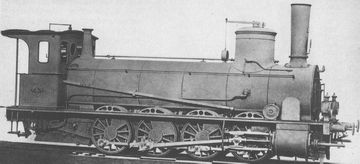
Baden VIII a
Germany
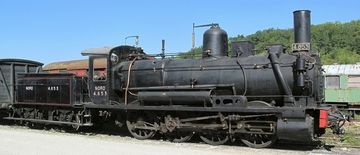
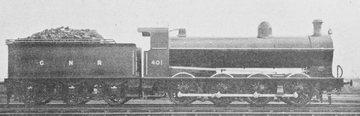
Great Northern (UK) class K
Great Britain
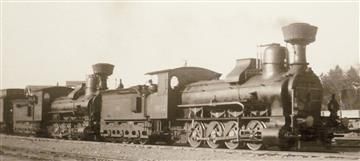
Imperial-Royal State Railways class 73
Austria-Hungary
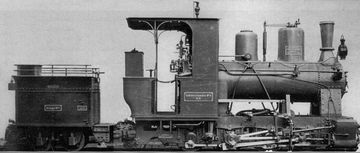
Imperial-Royal Field Railways No. 6
Austria-Hungary
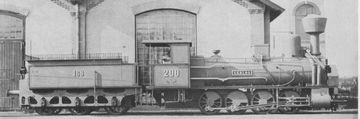
Empress Elisabeth Railway V
Austria-Hungary
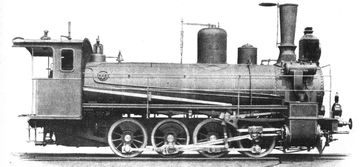
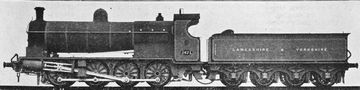
Lancashire & Yorkshire class 30 (Hughes)
Great Britain

London & North Western class A
Great Britain

London & North Western class B “Swami”
Great Britain
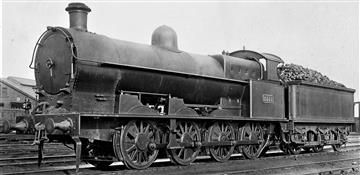
London & North Western class G1
Great Britain
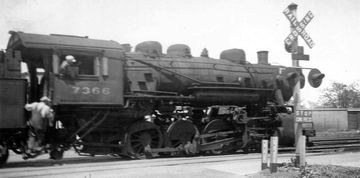
New York Central class U-2
United States
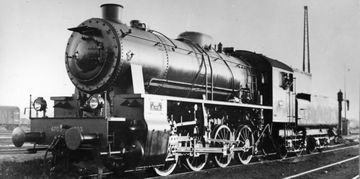
Dutch Railways series 4700
Netherlands
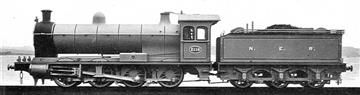
North Eastern classes T and T1
Great Britain
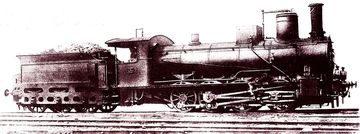
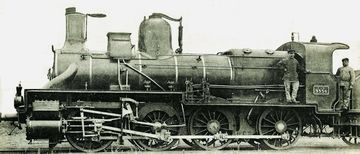
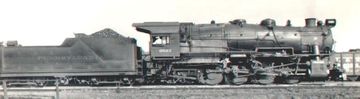
Pennsylvania class C1
United States
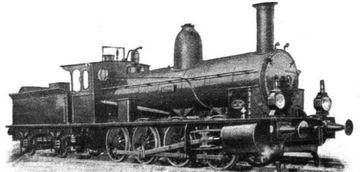
![Palatinate Railways G 4[h]I[/h]](/data/photosTN/pfaelzische_G4.I.jpg)
Palatinate Railways G 4I
Germany
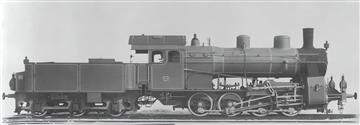
Palatinate Railways G 5
Germany
![Prussian G 7[h]1[/h]](/data/photosTN/preussische_G7.1_2.jpg)
Prussian G 71
Germany
![Prussian G 7[h]2[/h]](/data/photosTN/preussische_G7.2_2.jpg)
Prussian G 72
Germany
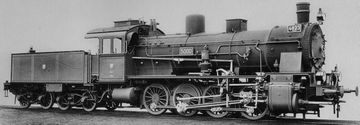
Prussian G 8
Germany
![Prussian G 8[h]1[/h]](/data/photosTN/preussische_G8.1.jpg)
Prussian G 81
Germany
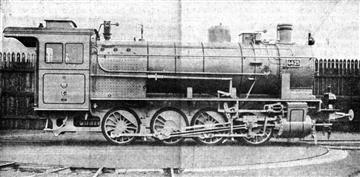
Prussian G 9
Germany
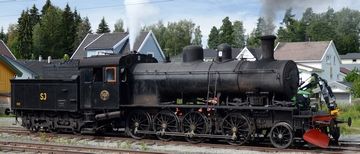
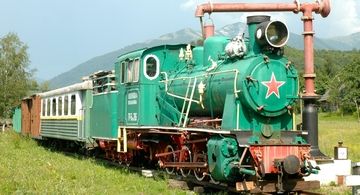
Soviet Railways series ГР (GR)
Soviet Union
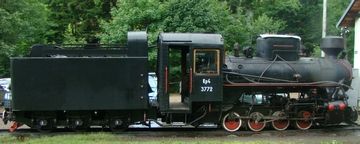
Soviet Railways series КП-4 (KP-4)
Soviet Union
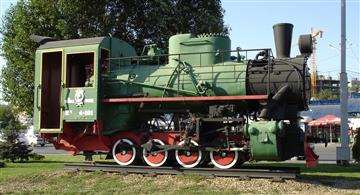
Soviet Railways series КЧ-4 (KCh-4)
Soviet Union
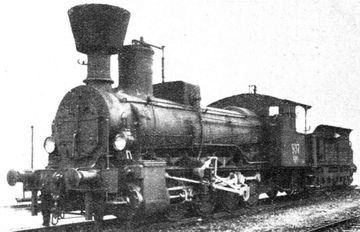
Austrian Southern Railway class 35a
Austria-Hungary
Austrian Southern Railway class 35c
Austria-Hungary
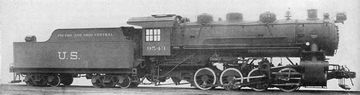
US Railroad Administration 0-8-0
United States
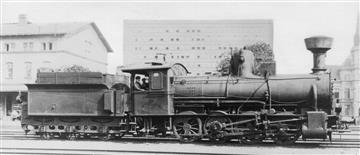
Aussig-Teplitz Railway class IVc
Austria
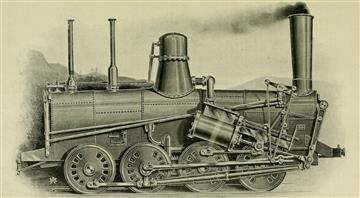
Camden & Amboy Railroad “Monster”
United States
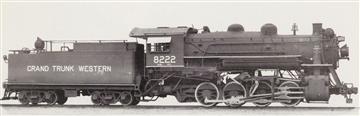
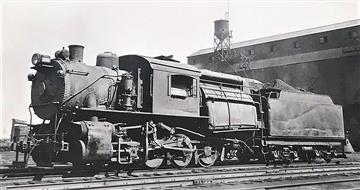
Central RR of New Jersey class E-1
United States
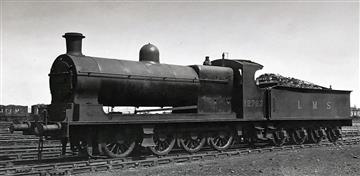
Lancashire & Yorkshire class 30 (Aspinall)
Great Britain
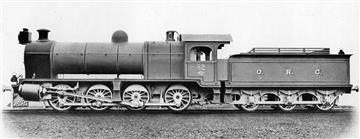
Ottoman Railway Company No. 80 to 83
Ottoman Empire
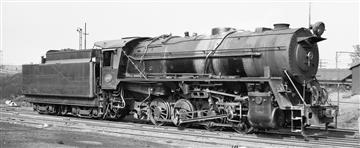
South African class S1
South Africa
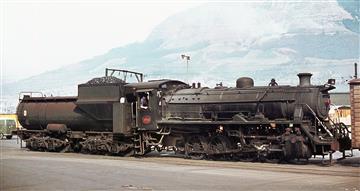
South African class S2
South Africa
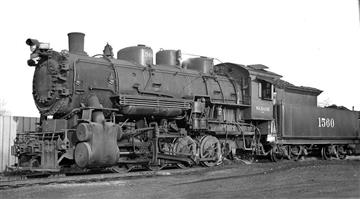
Wabash classes C-1 bis C-4
United States
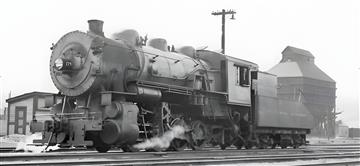
Buffalo, Rochester & Pittsburgh class F4
United States
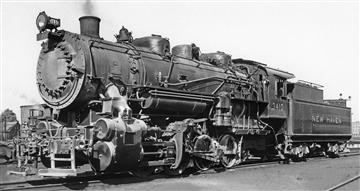
New Haven class Y-3
United States
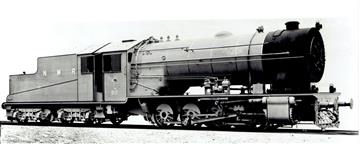
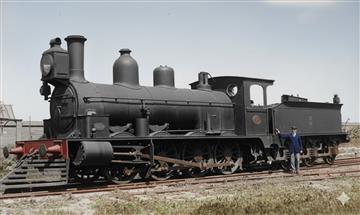
Central Argentino class 5C
Argentina