


Tank Locomotives 0-4-0T “Four-coupled”
UIC Classification B

The simplest form of all-adhesion tank locomotives has only two driven axles and no carrying axles. The following designations exist in the different naming systems:
Four-coupled
UIC: B t
Whyte: 0-4-0T
Switzerland: E 2/2
France: 020 T
Turkey: 22
The first tank locomotives with this wheel arrangement were built in Great Britain around 1850. Six saddle tank locomotives designed by Robert Sinclair for the Caledonian are considered the first series-produced locomotives of this type. At that time they were generally used as freight locomotives parallel to tender locomotives with the same wheel arrangement. When these locomotives were no longer powerful and fast enough for regular freight trains, their tasks diversified.
One service area for these locomotives was shunting. Since no carrying axles were required for the speeds which where run here, the entire weight of the locomotive could be used as adhesive weight. In the 1880s, more and more shunting locomotives with a 0-6-0T wheel arrangement were built to better cope with the increased train weights.
On local and light railways, tank locomotives with a 0-4-0T wheel arrangement could also be found in use with passenger trains, since high speeds were not needed here and the focus was on inexpensive locomotives. Small tank locomotives were also found on narrow-gauge railways, which, with only two axles, had no problem negotiating the mostly tight curves.
Some manufacturers offered standardized tank locomotives for industrial and light railways, some of which were already pre-produced without an order and could then be delivered quickly if required. This was especially the case with small tank locomotives that were manufactured for different gauges. The Avonside Engine Company, for example, was known for offering simple but robust locomotives with the 0-4-0T wheel arrangement and others.
Locomotives
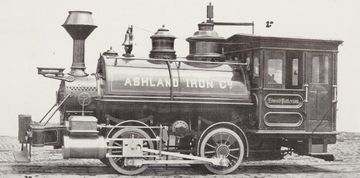
Ashland Iron Co. “Edward Patterson”
United States
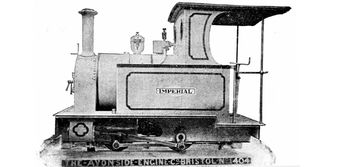
Avonside Engine Company standard narrow gauge 0-4-0T
Great Britain
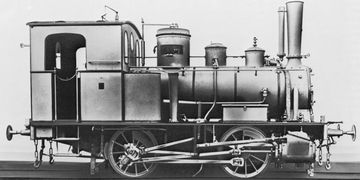
Baden I e
Germany
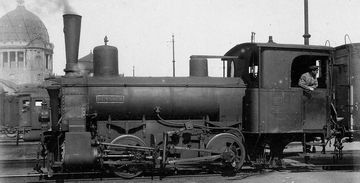
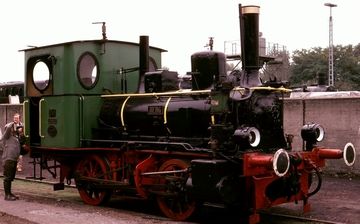
Bavarian D VI
Germany
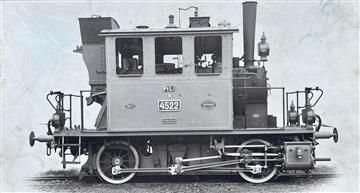
Bavarian PtL 2/2
Germany
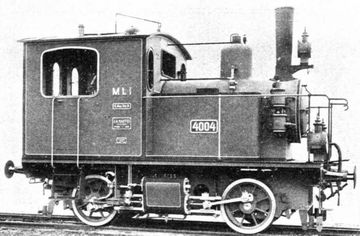
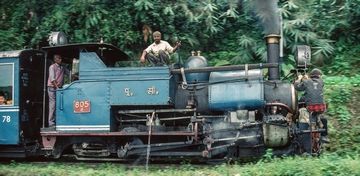

Imperial-Royal State Railways class 88
Austria-Hungary
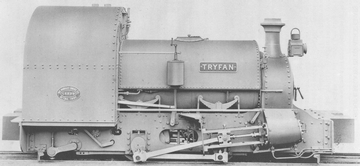
Moel Tryfan Quarry “Tryfan” and “Cadfan”
Great Britain

Cape Copper Co. 0-4-0WT Condenser
South Africa
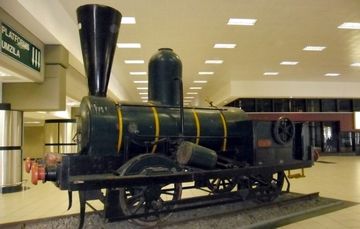
Natal Railway 0-4-0WT “Natal”
South Africa
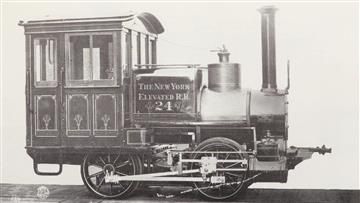
New York Elevated class A
United States
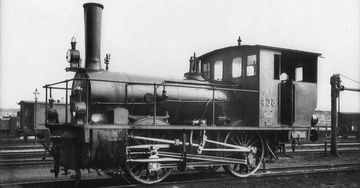
North-East Railway E 2/2
Switzerland
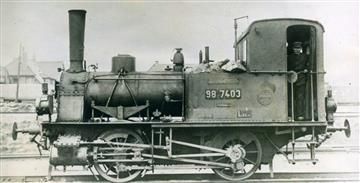
Oldenburg T 1
Germany
![Palatinate Railways T 2[h]I[/h]](/data/photosTN/pfaelzische_T2.I.jpg)
Palatinate Railways T 2I
Germany
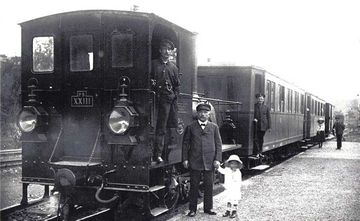
Palatinate Railways L 2
Germany
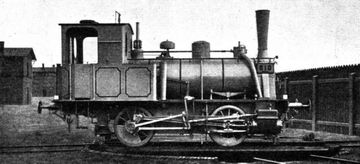
Prussian T 1
Germany
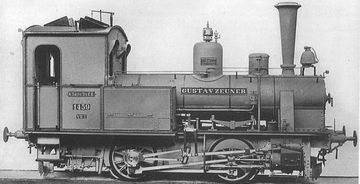
Saxon VII T (Hartmann type)
Germany
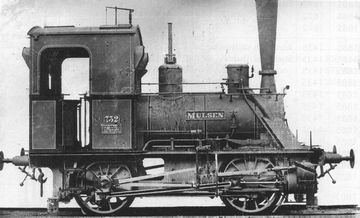
Saxon VII TOV
Germany

Staatsspoorwegen series 650
Netherlands
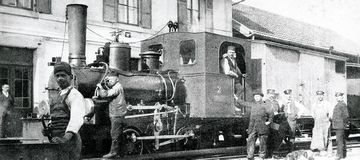
Tramelan-Tavannes Railway G 2/2
Switzerland
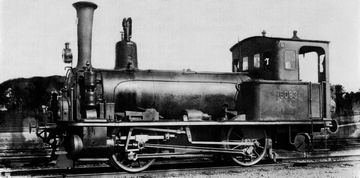
United Swiss Railways Ec 2/2
Switzerland
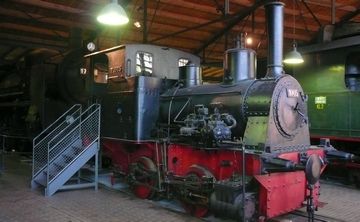
Württemberg T
Germany
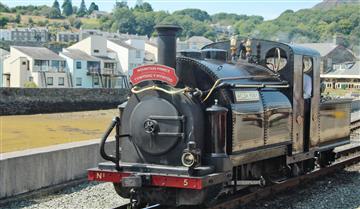
Ffestiniog Railway No. 5 and 6 “Large England Class”
Great Britain
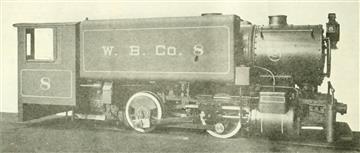
Worth Brothers Co. No. 8 to 14
United States
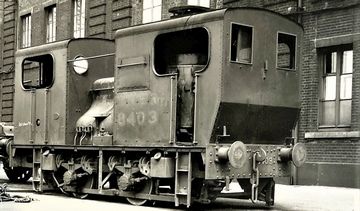
London & North Eastern class Y10
Great Britain
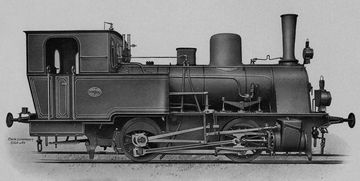
Prussian and Oldenburg T 2
Germany
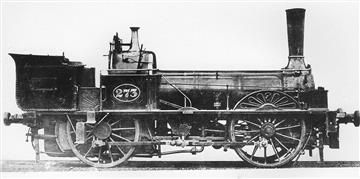
York & North Midland No. 33
Great Britain

Scottish Gas Board 0-4-0ST
Great Britain
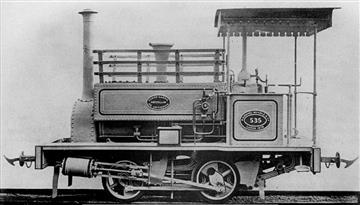
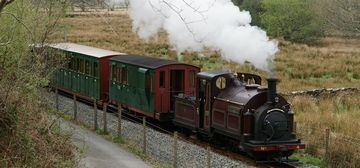
Ffestiniog Railway No. 1 to 4 “Small England Class”
Great Britain
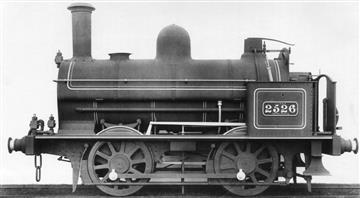
London & North Western 4ft Shunter
Great Britain